/filters:format(jpeg,png)/fit-in/300x300/guide_websites/57922/images/1780545651973sea_dwellers_transparent_lockup.png)
/filters:format(jpeg,png)/fit-in/237x80/guide_websites/57922/images/1780545651973sea_dwellers_transparent_lockup.png)
Bermuda Sea Chub Diving in Key Largo
Bermuda Sea Chub Diving in Key Largo - What to Expect
%2F%2Fusers%2F859cc070-b2bb-44d7-9a47-5b70bebf97a5%2Fimages%2Fbermuda-sea-chub-school-underwater-2509.jpg&w=1920&q=75)
Diving Activity by Instructor Pete Moum in April

- Key Largo Scuba Diving And Snorkeling Experts


Summary
Experience the thrill of a Diving Activity in Key Largo on Thursday, April 23rd, where you'll encounter dynamic schools of Bermuda Sea Chub in stunning clear blue waters. With instructor Pete Moum of Sea Dwellers Dive Center, this adventure delivers unforgettable underwater moments and pristine reef ecosystems.
Diving Activity with Pete Moum - Rates & Booking
Instructor Pete Moum of Sea Dwellers Dive Center offers thrilling diving experiences in Key Largo on Thursday, April 23rd. Contact Sea Dwellers Dive Center to book your adventure and secure your spot in these world-class waters.
Highlights of Your Dive Experience
Dive into action with schools of Bermuda Sea Chub cruising through pristine reefs and clear blue ocean waters. Key Largo's shallow reefs and protected underwater terrain create perfect conditions for encountering these striking reef fish in their natural habitat. The visibility and vibrant marine life make every moment count.
Whether you're pursuing your first certification or honing advanced techniques, the underwater landscape around Key Largo delivers stunning biodiversity and dynamic fish behavior that keeps divers coming back for more.
Local Species Insights: Bermuda Sea Chub
Bermuda Sea Chub are a signature sight on Key Largo reefs, known for their striking appearance and schooling behavior. These fish are highly social and often gather in impressive numbers throughout shallow and mid-depth reef zones. When diving, you'll witness their coordinated movements and curious interactions with their reef environment.
The Bermuda Sea Chub thrives in the warm, clear waters surrounding Key Largo, making this destination ideal for observing them in their element. Their presence indicates healthy reef systems with abundant food sources and strong structural complexity. Schools can shift dynamically based on tides, feeding patterns, and seasonal variations, so each dive brings fresh opportunities to observe their natural behaviors.
The clarity of Key Largo's waters means you'll capture incredible detail as these fish move through the water column. Their feeding habits, territorial interactions, and school formations showcase fascinating marine behavior that makes this location a premier diving destination. Being underwater alongside active Bermuda Sea Chub schools creates unforgettable moments and deeper appreciation for reef ecosystems.
Diving Activity in Key Largo: Bermuda Sea Chub
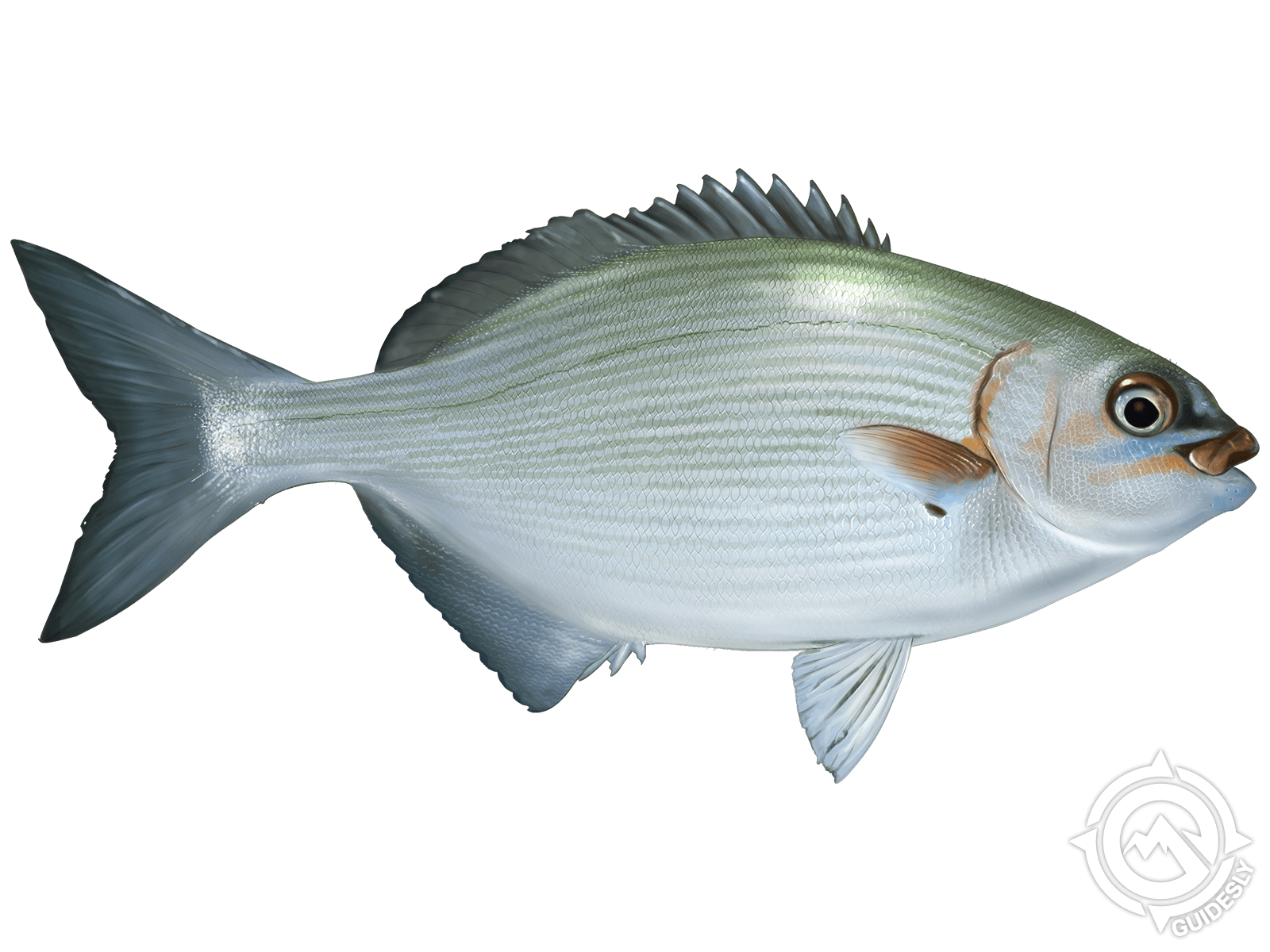
Bermuda Sea Chub Overview
The Bermuda Sea Chub (Kyphosus sectatrix) is a fascinating member of the Kyphosidae family within the order Perciformes. This distinctive fish is characterized by its elliptical, compressed body adorned with steel or blue-grey coloring accented by pale yellow or gold stripes, giving it a striking appearance in tropical and subtropical waters worldwide. Known by numerous nicknames including the Beaked Chub, Grey Drummer, Black Snapper, Brim, and Rudder Fish, this bony fish has earned a quirky reputation among anglers—not always for the best reasons. What makes the Bermuda Sea Chub particularly memorable is its notorious habit of releasing feces the moment it's hauled aboard a vessel, a characteristic that has made it less popular with casual fishermen. Yet, for those willing to look past this unusual behavior, the species offers an engaging fishing experience and a glimpse into the diverse marine ecosystems of coastal and reef environments.
Bermuda Sea Chub Habitat and Distribution
The Bermuda Sea Chub thrives in a wide range of marine environments, preferring clear waters where it congregates with its own kind and similar species. You'll typically find this schooling fish around reefs, harbors, and small ships, often hovering over seagrass beds, sandy or rocky bottoms, and coral formations. Juvenile chubs have a particular affinity for floating Sargassum seaweed, using these floating gardens as nurseries and feeding grounds. Geographically, this species enjoys a truly global distribution across warmer oceanic regions. In the Atlantic Ocean, populations flourish from St. Helena and Ascension Island to the Azores and Canary Islands, with sightings extending through Portuguese waters and into the Mediterranean. The species is well-established throughout Bermuda itself, the Sargasso Sea, the Gulf of Mexico, and the Caribbean Sea. Venturing into the Pacific, you'll encounter them from southern Japan and the Coral Sea to the northern waters of New Zealand and along the eastern Australian coast from Heron Island, Queensland to New South Wales. Their range continues across Polynesia and extends to the Revillagigedo Islands, making them one of the more widely distributed sea chubs in the world's oceans.
Bermuda Sea Chub Size and Weight
The Bermuda Sea Chub typically ranges from 12 to 24 inches in length, with some exceptional specimens reaching up to 30 inches. Weight-wise, most individuals you'll encounter tip the scales at around 2 to 5 pounds, though the largest recorded specimen weighed an impressive 13 pounds. This size variation depends significantly on habitat quality, food availability, and the age of the fish. Understanding these size parameters helps anglers set realistic expectations and choose appropriate tackle for a successful outing. Whether you're targeting average-sized schooling members or hoping to land one of the larger specimens, knowing the typical dimensions of this species ensures you're adequately prepared.
Bermuda Sea Chub Diet and Behavior
As an omnivore, the Bermuda Sea Chub displays fascinating feeding habits that make it both an interesting subject for observation and a challenging target for anglers. Its primary diet consists of algae, snails, small crabs, and mollusks, which it grazes and searches for along reef structures and seagrass beds. The species is particularly notorious for stealing bait with its small mouth—a behavior that frustrates many fishermen attempting to target other species. One of the more unusual and somewhat unsettling facts about this fish is its reported consumption of the feces and vomit of Spinner dolphins, as well as its tendency to follow ships and feed on trash discarded overboard. This scavenging behavior demonstrates the adaptability and opportunistic nature of the species. The schooling behavior of this fish means that when you locate one individual, others are typically nearby, creating the potential for productive fishing sessions. Perhaps most memorably, the Bermuda Sea Chub is known to excrete feces the moment it's brought aboard a vessel, a characteristic that has earned it a certain notoriety among boat anglers and made deck cleanliness a consideration during fishing expeditions.
Bermuda Sea Chub Spawning and Seasonal Activity
While specific spawning season data for the Bermuda Sea Chub is limited in available literature, the species demonstrates year-round activity in tropical and subtropical waters where it resides. The fish's schooling nature suggests aggregation patterns that may correlate with breeding seasons, though research into precise spawning triggers and timing remains ongoing. Seasonal variations in water temperature and food availability likely influence the species' activity levels, feeding intensity, and schooling behavior throughout the year. In warmer regions where the Bermuda Sea Chub is native, relatively stable year-round conditions mean consistent angling opportunities compared to more temperate species. Juvenile settlement around floating Sargassum seaweed suggests recruitment patterns tied to seasonal drift patterns of these floating ecosystems, particularly in areas like the Sargasso Sea. For anglers planning fishing expeditions, understanding local seasonal patterns in your specific region—whether in Bermuda, the Caribbean, or other hotspots—will enhance your chances of encountering productive schools.
Bermuda Sea Chub Techniques for Observation and Capture
Drift Fishing Method: The most effective technique for targeting Bermuda Sea Chub is drift fishing, a method that allows you to cover productive water systematically while presenting bait naturally. Use a 15-25 pound conventional rod paired with a light spinner, small hook, and a tiny piece of squid as your primary offering. Drift fishing works particularly well over reef structures, seagrass beds, and rocky bottoms where these fish congregate. To attract a larger concentration of fish, deploy a chum bag filled with cut bull minnows, which creates an enticing scent trail that draws schools to your location. Once hooked, these fish are generally cooperative and can be secured with a net. Around Bermuda and Caribbean hotspots, early morning and late afternoon drifts often produce the best results, as the fish tend to feed more aggressively during lower light conditions.
Reef and Harbor Fishing: Target shallow reef edges and harbors where Bermuda Sea Chub congregate in clear waters. Look for areas with visible structure—coral formations, rocky outcrops, or kelp beds—where these fish naturally forage. Light tackle is preferable given the species' small mouth and feeding habits. Cast small, shiny lures or present live small crustaceans near structure. This technique is particularly effective during calm, clear-water conditions when visibility is high and the fish are actively feeding.
Ship and Floating Structure Observation: The species' well-documented tendency to follow ships and aggregate around floating Sargassum seaweed and other debris makes these areas prime observation and fishing spots. Slowly motor near these structures, maintain position downwind, and present bait near the edges where chubs typically congregate. This method requires patience but often rewards observers with close-up views of active schooling behavior. Be prepared with protective clothing or covering for your feet, as the species' notorious fecal discharge habit makes this a practical consideration when bringing specimens aboard.
Bermuda Sea Chub Culinary and Utilization Notes
The culinary reputation of the Bermuda Sea Chub is decidedly mixed, and honest assessment is important for those considering consumption. The flesh has a greenish-gray coloration and the innards carry a distinctive odor that deters many anglers from even attempting to prepare the fish for eating. However, when properly cleaned immediately after capture and prepared with care, the meat is reported to have a mild flavor with a smooth and tender texture that can be quite palatable. The key to acceptable Bermuda Sea Chub cuisine lies in meticulous cleaning and prompt preparation, as the flesh spoils relatively quickly compared to other game fish. If you're planning to retain specimens rather than practice catch-and-release, plan your meal preparation in advance and ensure proper storage facilities onboard. The species' average food quality rating reflects these realities—it's neither a prized food fish nor entirely unpalatable, but rather a middle-ground option for adventurous anglers willing to invest time in proper preparation. For sustainability-conscious fishermen, the Bermuda Sea Chub's status as a relatively abundant schooling species makes it a reasonable choice for occasional consumption, provided local regulations are observed.
Bermuda Sea Chub Frequently Asked Questions
Q: What is the best bait or lure for catching Bermuda Sea Chub?
A: Small pieces of squid paired with light spinners on 15-25 pound conventional rods work exceptionally well. The species is attracted to small crustaceans and will steal bait readily. For enhanced results, use a chum bag filled with cut bull minnows to create a scent trail that draws schools to your location. Live small shrimp or pieces of fresh fish also produce good results in reef and nearshore environments.
Q: Where can I find Bermuda Sea Chub near Bermuda or in the Caribbean?
A: Look for clear water areas around reefs, harbors, and rocky structures in both nearshore and offshore locations. The species congregates in seagrass beds, over sandy or rocky bottoms, and around coral formations. In Bermuda specifically, harbors and reef edges are particularly productive, as are areas with floating Sargassum seaweed. The Gulf of Mexico and throughout the Caribbean Sea offer excellent opportunities wherever clear water reef habitat exists.
Q: Is Bermuda Sea Chub good to eat?
A: The Bermuda Sea Chub has average food quality and requires thorough cleaning immediately after capture. The greenish-gray flesh and distinctive odor of the innards deter many anglers, but when properly prepared, the meat is mild-flavored with a smooth, tender texture. Success depends entirely on meticulous preparation and prompt cooking. The flesh spoils relatively quickly, so immediate attention to cleaning and storage is essential.
Q: What's the famous behavior I've heard about regarding Bermuda Sea Chub on boats?
A: The species is well-known for releasing feces the moment it's brought aboard a vessel, a characteristic that has earned it notoriety among anglers. This unusual behavior means you should wear protective clothing on your feet and lower legs when handling fresh catches, and it's advisable to cover areas of the boat deck you want to keep clean. Despite this quirky trait, the fish remains an interesting target for adventurous anglers.
Q: When is the best time to fish for Bermuda Sea Chub?
A: Year-round fishing is possible in tropical and subtropical waters where the species is native, with consistent opportunities throughout the year. Early morning and late afternoon periods often produce the best results, as the fish tend to feed more aggressively during lower light conditions. Clear-water conditions with good visibility enhance success rates, so plan fishing trips during calm weather windows.
Q: How can I distinguish Bermuda Sea Chub from the similar Yellow Chub?
A: The two species are similar in appearance, but accurate identification requires counting the rays in their fins—a characteristic that distinguishes them reliably. The Bermuda Sea Chub is far more common than the rare Yellow Chub, so statistically, any sea chub you encounter is most likely the Bermuda species. Consulting a detailed fish identification guide specific to your fishing region will provide visual references for accurate field identification.