/filters:format(jpeg,png)/fit-in/300x300/guide_websites/57922/images/1780545651973sea_dwellers_transparent_lockup.png)
/filters:format(jpeg,png)/fit-in/237x80/guide_websites/57922/images/1780545651973sea_dwellers_transparent_lockup.png)
Guided Scuba Diving Key Largo FL - Sea Dwellers
Scuba Diving in Key Largo - What to Expect
%2F%2Fusers%2F859cc070-b2bb-44d7-9a47-5b70bebf97a5%2Fimages%2Fscuba-diving-underwater-adventure-2402.jpg&w=1920&q=75)
Diving Activity by Instructor Pete Moum in April
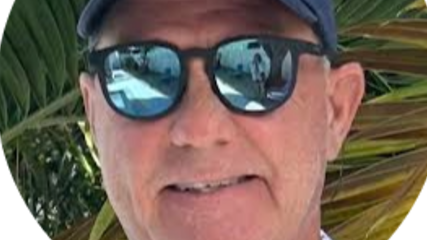
- Key Largo Scuba Diving And Snorkeling Experts


Summary
Join a diving activity in Key Largo on Thursday, April with Sea Dwellers Dive Center and Instructor Pete Moum for an unforgettable underwater exploration. This scuba diving experience immerses you in the marine environment where hand signals and communication techniques enhance your safety and enjoyment beneath the surface.
Scuba Diving with Pete Moum - Rates & Booking
Instructor Pete Moum of Sea Dwellers Dive Center on Thursday, April offers scuba diving activities tailored for divers of all experience levels. Whether you are a certified diver or looking to complete your certification, Pete brings decades of local expertise to every dive. Contact Sea Dwellers Dive Center to learn about group sizes, dive durations, and what gear is included with your booking. Reserve your spot online to secure your place on an upcoming dive.
Highlights of Your Diving Adventure
Key Largo's underwater landscape offers exceptional visibility and access to thriving coral reefs and diverse marine habitats. The clear waters surrounding the Keys make this location ideal for exploring underwater topography and observing marine life in their natural environment. Pete's guidance ensures you navigate safely while maximizing your time in the water.
Hand signals and underwater communication techniques are fundamental to scuba diving success. Before descending, divers review essential gestures to check air supplies, indicate directions, and maintain buddy contact throughout the dive. These non-verbal communication methods allow divers to stay connected and respond to changing conditions underwater, making the experience both safer and more enjoyable.
Dive Experience in Key Largo
Diving in Key Largo immerses you in one of Florida's premier scuba destinations. The warm tropical waters and proximity to the world's longest coral reef system create an environment rich with marine biodiversity. Visibility typically ranges from good to excellent depending on conditions, allowing divers to observe the reef structure, coral formations, and the creatures that inhabit these ecosystems.
Key Largo diving emphasizes proper buoyancy control and awareness of your surroundings. As you descend, you'll notice the dramatic shift in light and pressure. The reef presents different depths and contours, from shallow coral gardens to deeper drop-offs where larger pelagic species cruise. Understanding how to move efficiently through the water and maintain horizontal positioning helps you conserve air and enjoy longer bottom times.
The marine environment responds to seasonal changes and weather patterns. Winter months bring cooler water temperatures and sometimes attract different species to the area. Spring and summer offer warmer conditions and generally calmer seas. Reef ecosystems are dynamic, with daily variations in fish activity and visibility influenced by tides and currents. Pete's local knowledge helps you time your dive to take advantage of optimal conditions.
Experiencing the underwater world requires respect for marine life and the fragile ecosystems you're visiting. Divers learn to observe without touching, maintain distance from coral and organisms, and follow responsible diving practices. This approach protects the reef while allowing you to witness natural behaviors and interactions within the marine community.
Plan Your Diving Day
A typical scuba diving outing involves a pre-dive briefing covering the site layout, planned depth, expected duration, and any specific features or marine life you may encounter. Divers complete equipment checks to verify that tanks are full, regulators function properly, and buoyancy compensators inflate and deflate correctly. The buddy system pairs divers together, with each person responsible for monitoring their partner's air consumption and overall well-being throughout the dive.
Timing varies based on your certification level, experience, and the dive profile. Most recreational dives last 30 to 50 minutes at depth, with ascent time factored into the total duration. Safety stops near the surface allow nitrogen to exit your body gradually, reducing decompression risk. After surfacing, there's time to discuss what you observed and prepare for potential additional dives.