/filters:format(jpeg,png)/fit-in/300x300/guide_websites/57922/images/1780545651973sea_dwellers_transparent_lockup.png)
/filters:format(jpeg,png)/fit-in/237x80/guide_websites/57922/images/1780545651973sea_dwellers_transparent_lockup.png)
Key Largo Scuba Diving Guide - Hand Signals Tutorial
Scuba Diving in Key Largo - What to Expect
%2F%2Fusers%2F859cc070-b2bb-44d7-9a47-5b70bebf97a5%2Fimages%2Fscuba-divers-underwater-communication-2418.jpg&w=1920&q=75)
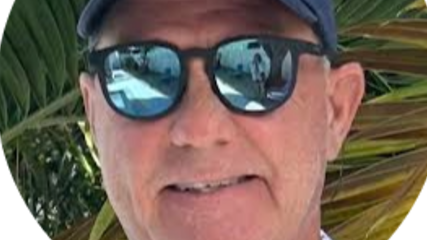
Diving Activity by Instructor Pete Moum in April
- Key Largo Scuba Diving And Snorkeling Experts


Summary
Join a diving activity in Key Largo on Thursday, April with instructor Pete Moum at Sea Dwellers Dive Center. This scuba experience teaches fundamental communication skills and underwater safety through hands-on training. Perfect for divers learning to master essential hand signals and dive protocols in Florida's premier underwater destination.
Scuba Diving with Pete Moum - Rates & Booking
Instructor Pete Moum of Sea Dwellers Dive Center welcomes divers to Key Largo on Thursday, April for a focused diving activity. This scuba experience emphasizes proper communication underwater through hand signals, a critical safety skill for all divers. Pete brings local expertise and personalized instruction to ensure every participant understands essential dive protocols before entering the water. Contact Sea Dwellers Dive Center to reserve your spot and receive details on what's included with your diving activity.
Highlights of Your Scuba Experience
This diving activity centers on mastering underwater communication, the foundation of safe and confident diving. Hand signals allow divers to communicate vital information without surfacing - checking air supply, indicating direction, signaling comfort or concern, and coordinating with dive partners. Learning these signals properly before entering deeper water builds confidence and ensures your safety in various conditions.
Key Largo offers ideal conditions for skill-building dives. The warm Florida waters, accessible reef systems, and moderate depths provide an excellent classroom for divers to practice techniques and refine their abilities. Working with an experienced instructor like Pete means personalized feedback and correction as you develop competency in this underwater environment.
Dive Communication and Underwater Techniques
Hand signals form the backbone of dive communication. Divers learn the OK sign (thumb and forefinger forming a circle), which has two meanings depending on context - checking if a buddy is okay or confirming you are. The thumbs-up signal indicates ascending to the surface, while thumbs-down means descending. These basic signals become second nature through repetition and practice.
Beyond simple signals, divers learn to communicate more complex information. Pointing techniques help identify marine life or underwater features to share the experience with your buddy. Directional signals coordinate group movement and prevent separation. Special signals indicate equipment problems, low air supply, or disorientation - all situations requiring immediate attention and proper communication.
In Key Largo, these signals prove valuable for navigating reef systems and managing group dynamics. The visibility in these waters typically allows clear communication at reasonable distances. Local knowledge of reef layout, current patterns, and wildlife behavior enhances the learning experience. Pete's instruction emphasizes practical application - using signals in real conditions rather than just academic demonstration.
The psychological benefit of mastering hand signals cannot be overlooked. New divers often feel anxious about the unfamiliar underwater environment. Clear, practiced communication with an instructor and dive buddy provides reassurance and confidence. When you know how to communicate effectively, you can focus on enjoying the experience rather than worrying about what to do if something goes wrong.
Proper hand signal execution requires practice. Signals must be deliberate and clearly visible to your dive partner. In bright sunlight, visibility improves, but in darker depths or murky conditions, signals must be more exaggerated. Learning to adjust your communication style based on conditions represents an important skill progression. Pete's instruction covers these variables so you're prepared for different diving scenarios.
The diving activity in Key Largo allows immediate application of learned skills. Working with an instructor provides real-time feedback and correction during actual water conditions. You'll practice signals, receive coaching, and build muscle memory that transfers to future dives. This hands-on approach accelerates learning far better than classroom study alone.