/filters:format(jpeg,png)/fit-in/300x300/guide_websites/57922/images/1780545651973sea_dwellers_transparent_lockup.png)
/filters:format(jpeg,png)/fit-in/237x80/guide_websites/57922/images/1780545651973sea_dwellers_transparent_lockup.png)
What Is Scuba Diving? A Complete Beginner FAQ Guide
%2Ffit-in%2F1000x1000%2Ffilters%3Aformat(webp)%2Fguide_websites%2F57922%2Fimages%2F1778721561635snorkeling-in-key-largo.jpg&w=1920&q=75)
Published: September 9, 2026
The human fascination with the underwater ocean world spans centuries. Beneath the rolling ocean surface lies an alien environment of shimmering light, incredible marine life, and breathtaking underwater topographies. For generations, explorers looked out at the ocean horizon with curiosity, wondering what mysteries were hidden in the deep. Today, that realm is completely open to anyone willing to take the plunge. Whether you dream of swimming alongside gentle sea turtles, exploring historic shipwrecks encrusted with coral, or floating weightlessly over colorful coral gardens, underwater exploration offers an unparalleled escape from daily life.
However, for those who have never worn a mask or taken a breath beneath the surface, the prospect of entering the water can raise many questions. Is it difficult to learn? Do you need to be an athlete? How does the equipment work, and is it safe? This comprehensive beginner FAQ guide is designed to demystify the entire process. From the fundamental mechanics of breathing underwater to discovering why Florida Keys Diving is globally renowned as the perfect place to start your journey, we will answer every question you have about stepping into the ocean.
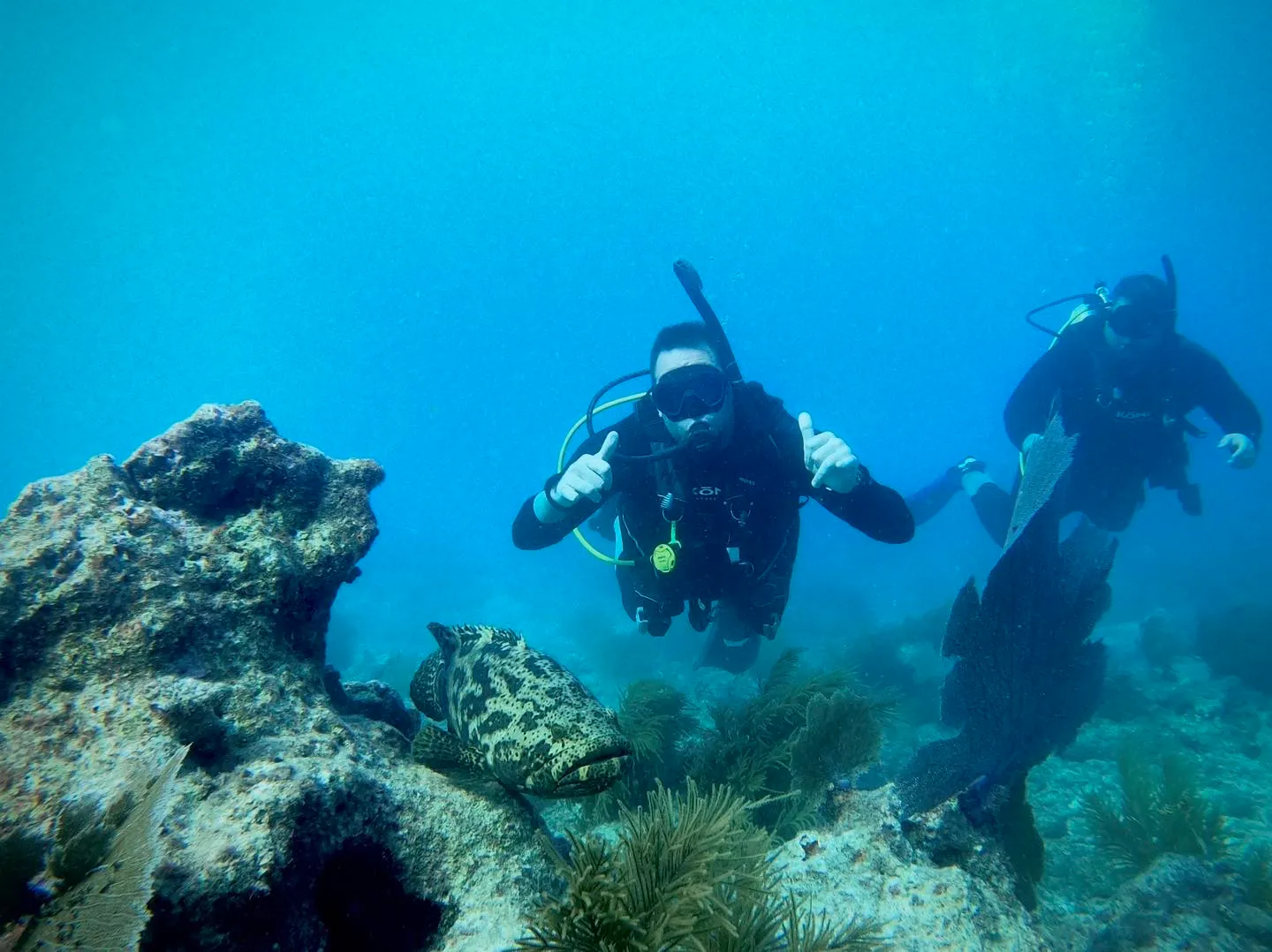
Understanding the Fundamentals of Underwater Exploration
To appreciate what makes underwater swimming so unique, it helps to understand the acronym itself. SCUBA stands for Self-Contained Underwater Breathing Apparatus. Unlike snorkeling, where you remain at the surface and rely on a simple tube for air, or free diving, where you hold your breath during brief descents, scuba equipment allows you to carry your air supply with you. This enables explorers to remain submerged comfortably for extended periods, observing aquatic life in its natural habitat without constantly returning to the surface for air.
How SCUBA Equipment Works Together
The modern equipment setup is a marvel of human engineering, designed to keep you safe, comfortable, and weightless underwater. The core of your gear consists of a high-pressure cylinder filled with compressed, purified atmospheric air—not pure oxygen, as is commonly misperceived. Attached to this cylinder is a regulator, a sophisticated device that reduces the high air pressure inside the tank to the exact ambient pressure surrounding your body, allowing you to breathe naturally through a mouthpiece.
In addition to your air supply, you wear a Buoyancy Control Device (BCD), which is an inflatable jacket that allows you to adjust your position in the water column. By adding small bursts of air from your tank to the jacket, or venting air out, you achieve neutral buoyancy—a state of floating where you neither sink nor rise. This creates the feeling of complete weightlessness, akin to floating in space. A mask provides a clear pocket of air in front of your eyes so you can see clearly underwater, while fins attached to your feet allow you to propel yourself through the water with minimal effort.
The Physics of Underwater Breathing and Pressure
Breathing underwater is surprisingly simple, but it relies on basic physical principles that every beginner learns during basic training. As you descend into the ocean, the weight of the water above you exerts pressure on your body. Air expands as pressure decreases and compresses as pressure increases. Because of this natural law, the golden rule of underwater exploration is to breathe continuously and never hold your breath.
As long as you breathe normally and steadily, the air pressure in your lungs matches the water pressure outside your body. You also learn to equalise your ears as you descend—a simple technique similar to popping your ears on an aeroplane—to relieve the pressure buildup in your air spaces. With proper instruction, equalising becomes second nature, allowing you to glide downward comfortably without any discomfort.
Essential Beginner FAQs: Getting Started
Starting a new activity always brings a series of practical questions. Below are the most common inquiries prospective divers ask before taking their initial steps into the water.
Do I Need to Be an Expert Swimmer?
One of the most frequent misconceptions is that you must be an elite swimmer to participate in water activities. In reality, you only need basic swimming comfort and a relaxed mindset in the water. For beginner certification, candidates complete a basic swimming assessment, which typically includes swimming a short distance without stopping and floating or treading water for ten minutes. You do not need to perform complex strokes or swim quickly. The goal is simply to ensure that you are calm, confident, and capable of moving through the water safely.
Medical Requirements and Fitness Guidelines
Overall health and safety are the top priorities in any aquatic sport. Before participating in any formal training or in-water activities, every student completes a standard health screening. This questionnaire checks for underlying medical conditions that might require clearance from a doctor before entering the water, such as severe asthma, heart conditions, or ear disorders. Reviewing the standard medical questionnaire beforehand ensures that you meet all safety criteria and can participate without any health concerns.
Certification Levels: Discover Scuba vs Open Water
If you are curious about underwater swimming but are not ready to commit to a full course, entry-level experiences offer the perfect solution. A introductory session lets you try breathing underwater under the direct supervision of an instructor without completing a full academic curriculum. Enrolling in a formal Discover Scuba Diving course allows you to learn basic safety skills in a shallow pool before heading out to explore a real reef on the very same day.
For those ready to become fully certified, independent explorers, the Open Water certification is the gold standard. This comprehensive course involves academic study, confined pool practice, and four open-water ocean dives. Once certified, your credential is valid for a lifetime and recognised globally. If you prefer to complete your academic study and pool practice at home before your holiday, you can seamlessly finish your ocean training in warm, tropical waters through an Open Water referral programme.
What to Expect During Your First Ocean Dive
Stepping into the ocean for the first time is an unforgettable experience. Knowing what to expect during your initial excursion helps alleviate any nervous energy and allows you to enjoy every moment of the adventure.
Preparing for Your Underwater Journey
Your excursion begins on the dock, where your instructional team fits you with comfortable, properly sized equipment. You will receive a thorough briefing covering the dive plan, hand signals for communication underwater, safety procedures, and the specific marine life you are likely to encounter. Once on board the vessel, the ride out to the reef provides time to double-check your gear with a buddy and take in the beautiful coastal scenery.
When the boat arrives at the dive site, you put on your mask, fins, and BCD. Entering the water is typically done via a smooth giant stride off the back platform. Once in the water, you float effortlessly on the surface, take your first deep breath through your regulator, and prepare for descent alongside your guide.
Exploring Coral Reefs and Marine Sanctuary Systems
As you slowly descend along a mooring line, the surface noise fades away, replaced by the soothing sound of your own breathing. The transition from the air-filled world to the aquatic environment is immediate. Surrounding you are living coral formations, brilliant sea fans swaying in the gentle surge, and curious fish swimming alongside you.
Living coral tracts are complex, vibrant ecosystems that harbour thousands of distinct marine species. You might see colourful parrotfish crunching on coral, graceful sea turtles gliding overhead, and tiny neon damselfish guarding their territories. Because you are weightless, you hover gently above the delicate structures, observing the bustling aquatic city below without disturbing the delicate natural balance.
Why Key Largo is the Ultimate Destination for Beginners
While you can learn to dive in many places around the globe, certain locations stand out for their exceptional conditions, safety, and natural beauty. The upper Florida Keys are widely regarded as the ultimate destination for beginner divers and seasoned enthusiasts alike.
Calm, Shallow Waters and World-Famous Reef Systems
Selecting the right environment for your first underwater experience makes a world of difference. The marine sanctuary surrounding the upper Florida Keys is famous for its warm, crystalline waters and remarkably shallow reef structures. Engaging in scuba diving in key largo florida means exploring living coral reefs that rest in just 15 to 30 feet of water. These shallow depths mean that bright sunlight easily penetrates to the ocean floor, illuminating the vivid natural colours of the coral and fish.
Furthermore, shallow waters mean mild conditions, minimal currents, and exceptionally long bottom times. Beginners do not have to fight heavy ocean swells or deep vertical drops. Sites like the famous Rainbow reef system offer ideal conditions for learning, where you can move at your own pace and build confidence in a forgiving, stress-free setting. Whether you are exploring shallow coral fingers or visiting iconic underwater landmarks, key largo florida scuba diving provides an educational backdrop that is hard to match anywhere else on Earth.
Choosing the Right Operator for Your Holiday
The quality of your experience depends heavily on the dive centre you choose. While high-volume commercial operations exist, choosing a facility that values personal attention and safety ensures a far superior holiday. When researching options for scuba key largo florida, look for operators that offer small group sizes, spacious vessels, and flexible schedules.
Facilities like the famous Rainbow reef dive center have brought widespread attention to the area, drawing thousands of eager visitors every year. However, for a truly relaxed experience, many Rainbow reef divers prefer smaller, legacy-driven dive shops that offer unhurried 65-minute bottom times. A slower pace allows you to relax, conserve your breathing gas, and absorb the marvels of the marine environment without feeling rushed by a rigid schedule. Whether you are visiting the protected tracts of Rainbowreef or exploring local ledge systems, finding an operator that prioritises your comfort is key.
When planning your itinerary around Rainbow reef key largo, ensure your chosen operator places a strong emphasis on ecological preservation. Responsible operators teach proper buoyancy control to protect the delicate corals of Rainbow reef florida, ensuring that these pristine ecosystems remain healthy and vibrant for future generations to enjoy.
Start Your Underwater Journey Today
The ocean covers more than seventy percent of our planet, holding endless wonders waiting to be discovered. Learning to explore beneath the surface is more than just picking up a new hobby; it is gaining a lifetime pass to an extraordinary underwater world. From the peaceful sensation of weightlessness to the thrill of seeing magnificent marine creatures in their natural habitat, every moment spent beneath the waves brings joy and relaxation.
By choosing a dedicated, safety-focused dive centre, you guarantee that your introduction to the ocean will be smooth, comfortable, and unforgettable. High-quality instruction, top-tier rental equipment, and spacious, well-maintained boats allow you to focus entirely on the beauty of your surroundings. If you are ready to take your first steps into this fascinating realm, partnering with a trusted local facility is the perfect way to begin. Learn more about professional training options, daily reef charters, and expert guided trips by visiting Sea Dwellers Dive Center to start planning your aquatic getaway today.
Conclusion
Scuba diving opens the door to a marvellous world of exploration, beauty, and adventure. What once seemed like a challenging endeavor reserved only for intrepid adventurers is now an accessible, safe, and deeply rewarding sport open to anyone with basic swimming skills and a sense of wonder. The calm, shallow, sunlit coral reefs of the Florida Keys provide the absolute ideal environment to complete your initial training or enjoy a relaxing getaway. By taking the time to understand the basics, choosing the right educational path, and diving with an experienced, customer-focused operator, you set the stage for a lifetime of unforgettable ocean memories. Take the plunge, explore the vibrant reefs, and experience the weightless freedom of the underwater world. Review upcoming charter schedules, check availability, and Book Now to reserve your spot on an unforgettable ocean excursion.
Frequently Asked Questions (FAQs)
1. Is scuba diving safe for complete beginners?
Yes, when conducted under the supervision of certified professionals and following proper safety protocols, it is a remarkably safe activity. Modern equipment is engineered with multiple redundant safety features, and training courses thoroughly prepare you to handle any situation comfortably.
2. How deep do beginners dive during their initial training?
During introductory experiences and initial Open Water training dives, depths are kept shallow, typically between 15 and 40 feet (4.5 to 12 metres). This safe depth range allows for plenty of natural light, minimal pressure changes, and long, relaxing bottom times.
3. What happens if I wear glasses or contact lenses?
You can easily wear soft contact lenses underwater beneath a standard dive mask. Alternatively, many dive shops provide prescription masks fitted with corrective lenses so you can see the marine life with perfect clarity.
4. How long does a single tank of air last underwater?
The duration of a tank depends on several factors, including your depth, breathing rate, body size, and comfort level. On shallow reefs in warm water, a typical single tank usually lasts between 45 and 65 minutes for most recreational divers.
5. What is the minimum age to start learning?
Children as young as 10 years old can enroll in the Junior Open Water Diver course. Entry-level pool experiences are often available for children aged 8 and above, making it a fantastic activity for the entire family.
%2F%2Fguide_websites%2F57922%2Fimages%2F1778714461261scuba-diving-key-largo11.png&w=1920&q=75)
%2F%2Fguide_websites%2F57922%2Fimages%2F1778717442833snorkeling-trip-key-largo.jpg&w=1920&q=75)
%2F%2Fguide_websites%2F57922%2Fimages%2F1778714920633scuba-diving-key-largo44.png&w=1920&q=75)