/filters:format(jpeg,png)/fit-in/300x300/guide_websites/57922/images/1780545651973sea_dwellers_transparent_lockup.png)
/filters:format(jpeg,png)/fit-in/237x80/guide_websites/57922/images/1780545651973sea_dwellers_transparent_lockup.png)
What Is Night Diving? What Makes Night Scuba Diving Different & What to Expect
%2Ffit-in%2F1000x1000%2Ffilters%3Aformat(webp)%2Fguide_websites%2F57922%2Fimages%2F1778721561635snorkeling-in-key-largo.jpg&w=1920&q=75)
Published: September 9, 2026
Night diving gives certified divers an opportunity to experience familiar reefs in a completely different way. When daylight disappears, the underwater environment becomes quieter, darker, and more focused around the beam of a dive light. Marine life can also behave differently, making a night dive feel very different from a daytime dive at the same location.
For many divers, the appeal of night time scuba diving is not simply seeing a reef after sunset. It is learning how to navigate, communicate, manage equipment, and observe marine life while visibility is limited by darkness. With proper training, preparation, and a qualified guide, scuba diving in the dark can become a rewarding part of a diver's experience.
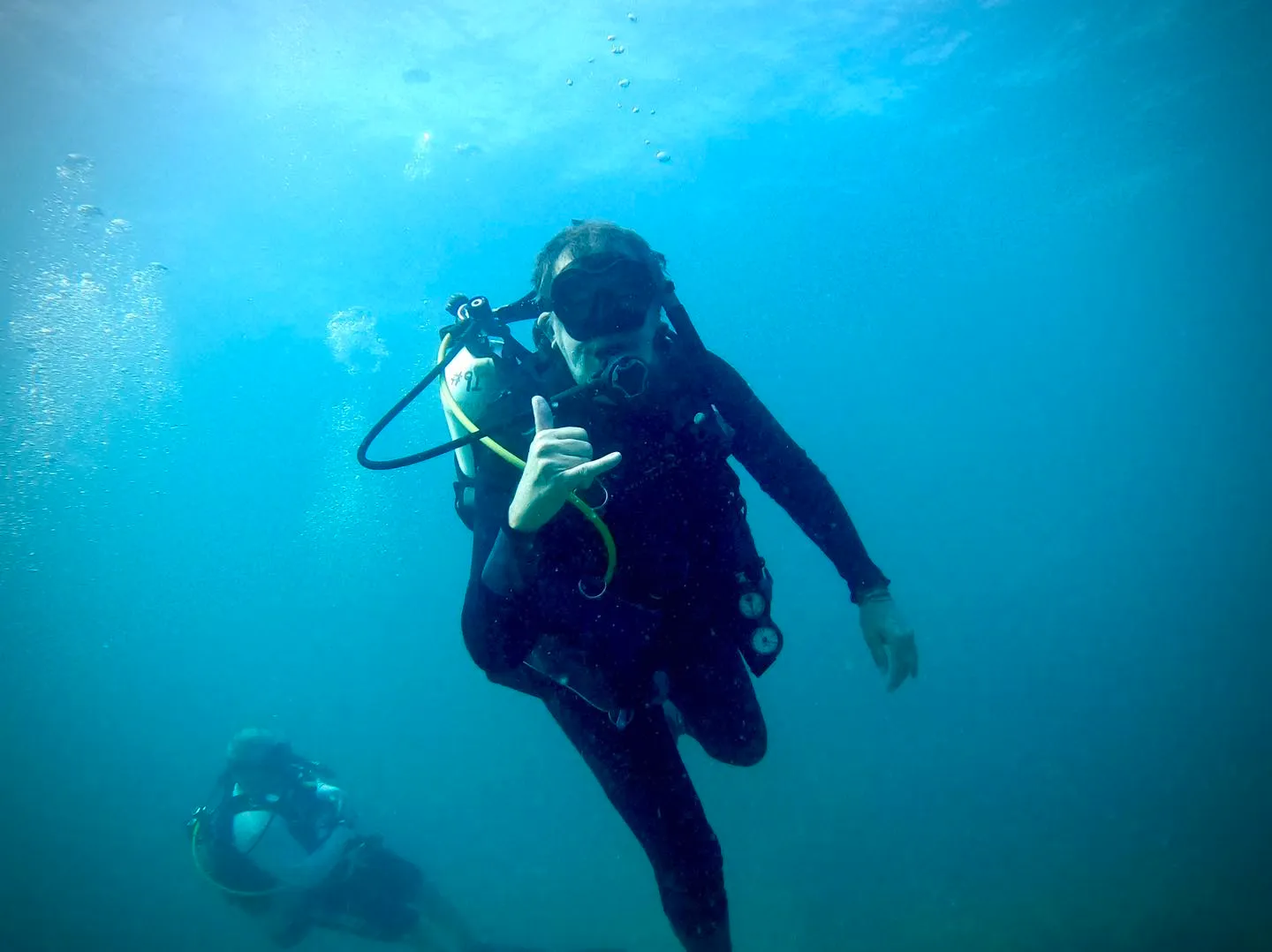
What Is Night Diving?
Night diving is scuba diving conducted after sunset or during hours when natural light is no longer sufficient for normal underwater visibility. Divers use primary dive lights and, in many cases, backup lights to illuminate their surroundings.
Unlike a daytime dive, where sunlight provides broad visibility, night diving is based largely on the diver's light beam. This creates a smaller viewing area and makes the immediate surroundings feel more focused.
Night dives can take place on reefs, wrecks, walls, and other underwater sites. The location may be familiar to a diver, but the experience can feel entirely different once the sun goes down.
How Is a Night Dive Different From a Day Dive?
The biggest difference is visibility. During the day, divers can often see a wide area around them. At night, the light from the dive torch becomes the primary source of illumination.
Other differences include:
- Different marine life behaviour
- Greater attention to navigation
- More deliberate communication
- Increased importance of dive-light management
- A stronger focus on staying with the group
Night diving is therefore not simply a daytime dive performed later in the evening. It requires a different level of awareness and preparation.
What Makes Night Scuba Diving Special?
Night scuba diving can reveal parts of the reef that divers may not notice during daylight. Some marine animals become more active after sunset, while others settle into sheltered areas.
The darkness can also change how the reef looks. Coral colours can appear more concentrated in the beam of a light, and small details may become easier to notice when there is less visual distraction.
A night dive can also feel quieter and more immersive. Divers tend to move at a controlled pace while paying close attention to what is directly in front of them.
What Can You See While Diving in the Dark?
One of the most interesting parts of diving in the dark is observing how the underwater environment changes at night.
Marine life varies by location and conditions, so sightings cannot be guaranteed. However, divers may encounter nocturnal reef activity that is less noticeable during daytime dives.
Nocturnal Marine Life
Depending on the dive site, divers may see:
- Eels
- Crabs
- Lobsters
- Shrimp
- Reef fish
- Octopus
- Other nocturnal marine animals
Some creatures that remain hidden during the day may become easier to spot after sunset.
Coral and Reef Life
Your dive light can highlight coral formations and small reef organisms that might receive less attention during a daytime dive.
For divers who enjoy photography or marine-life observation, this can make night diving especially interesting. However, photographers should remain aware of buoyancy, surroundings, and the needs of other divers instead of focusing entirely on the camera.
Where Can You Go Night Diving in Key Largo?
Key Largo is known for its reef diving and access to the Florida Keys National Marine Sanctuary. Night diving can provide another way to experience these underwater environments after sunset.
Sea Dwellers Dive Center offers a guided twilight scuba experience in Key Largo. The trip begins approximately 1.5 hours before sunset, allowing divers to experience the transition from daylight into darkness. The timing changes throughout the year according to sunset.
The center's Key Largo scuba diving rates provide current information about available trips and pricing.
Because dive-site selection can depend on weather, sea conditions, and operational planning, divers should confirm the details of their selected trip before departure.
What to Expect on a Night Dive
A night dive usually begins with additional preparation before entering the water. Since natural light will be limited, divers need to check their equipment and lights carefully.
The experience may include:
- Pre-dive briefing
- Equipment and light checks
- Entry into the water
- Descent and orientation
- Guided exploration
- Controlled ascent
- Exit and equipment checks
The exact schedule depends on the operator, location, weather, and type of night dive.
The Pre-Dive Briefing
The briefing is especially important before night time scuba diving. The guide can explain the route, planned depth, communication methods, entry and exit procedures, and what to expect at the site.
Divers should pay close attention to how lights will be used and what signals the group will follow.
Entering the Water After Sunset
Entering the water at night can feel unusual even for experienced divers. Once below the surface, the environment may initially seem very dark until the diver's light begins illuminating the reef.
Staying calm and following the briefing can make the transition easier.
Dive Lights and Essential Equipment
A reliable dive light is one of the most important pieces of equipment for scuba diving in the dark.
Divers should check their primary light before entering the water and carry an appropriate backup light when required or recommended.
Primary Dive Light
The primary light should provide enough illumination for the planned dive. Test it before entering the water and confirm that it functions correctly.
Backup Light
A backup light provides additional security if the primary light stops working. Divers should know how to access it without creating unnecessary movement or confusion.
Other Equipment
Standard scuba equipment remains important, including:
- Mask
- Regulator
- Buoyancy control device
- Tank
- Fins
- Exposure protection
- Dive computer
The specific equipment needed depends on the diver, water conditions, and operator requirements.
How to Communicate During Night Diving
Communication becomes especially important when visibility is limited.
Hand signals used during daytime diving can still be used, but divers may need to use their lights to make signals visible.
A diver can briefly illuminate another diver's hand signal rather than shining a bright light directly into the person's eyes.
Divers should also keep track of their buddy and group. Losing sight of another diver's light can be more concerning at night than during daylight, so maintaining awareness is essential.
Is Night Diving Safe for Beginners?
Night diving is generally considered a more advanced diving experience because it introduces conditions that differ from daytime diving.
Divers should have appropriate certification, recent experience, and comfort with basic underwater skills before attempting a night dive.
Someone who is newly certified may benefit from completing additional dives during the day first. This can help build comfort with buoyancy, navigation, equipment, and communication before adding darkness to the experience.
A guided trip can also provide additional support. Sea Dwellers offers professional instruction and guided experiences, allowing divers to experience the changing underwater environment with experienced staff.
The available Sea Dwellers guides include instructors, captains, and dive professionals with experience in Key Largo waters.
Tips for Your First Night Scuba Diving Experience
A few simple preparations can make your first night dive more comfortable.
Keep Your Equipment Simple and Familiar
Avoid making unnecessary equipment changes before an important night dive. Familiar gear allows you to focus more on the underwater environment.
Check Your Light
Test your primary light and any backup light before entering the water. Make sure batteries are charged and that controls are easy to operate.
Stay Close to Your Buddy
Darkness can make distance difficult to judge. Maintain a comfortable position with your buddy and keep track of their light.
Slow Down
You do not need to move quickly. A slower pace can help you notice smaller marine life and maintain better awareness.
Follow the Guide
Stay with the planned group and pay attention to instructions. The guide understands the site and can help manage the dive according to current conditions.
Night Diving vs Twilight Diving
Night diving and twilight diving are related but not always identical.
A twilight dive begins while there is still natural light and continues as the sun sets. A full night dive takes place after darkness has settled in.
Twilight diving can be a useful introduction because divers gradually experience the transition from daylight to darkness. It also offers the opportunity to see how marine activity changes during the transition.
Sea Dwellers' guided Twilight Scuba Diving experience begins approximately 1.5 hours before sunset and includes a professional dive guide.
Can You Take a Night Diving Course?
Yes. Night diving is also available as a PADI specialty course. Training can help divers develop the skills needed to plan and conduct dives after sunset.
A formal course can cover topics such as:
- Planning night dives
- Navigation
- Communication
- Light management
- Entry and exit procedures
- Marine-life observation
Sea Dwellers includes Night Diver among its PADI specialty courses. The listed program includes three dives over three trips and is designed for divers who meet the applicable certification and age requirements.
Best Conditions for Night Time Scuba Diving
Weather, sea conditions, visibility, and site selection can all affect a night dive.
A calm evening may make the boat ride and water entry more comfortable, but conditions can change. Divers should follow the operator's guidance and understand that planned sites or schedules may change when conditions are unsuitable.
The best experience is not necessarily the darkest night. Safe conditions, clear planning, and a comfortable dive environment are more important.
What to Bring for a Night Dive
In addition to normal scuba equipment, divers should prepare carefully for the evening setting.
Bring:
- Certification card
- Dive light
- Backup light when appropriate
- Mask and fins
- Exposure protection
- Towel
- Dry clothing
- Water
- Personal essentials
Check with the dive center before the trip to confirm what equipment is provided and what you need to bring yourself.
Make Your Night Diving Experience More Enjoyable With Sea Dwellers Dive Center
Night diving offers a different way to experience Key Largo's underwater environment. The reef changes after sunset, and divers can observe marine life and underwater details that may not be as noticeable during the day.
Sea Dwellers Dive Center provides guided twilight diving in Key Largo, with a professional dive guide accompanying the experience. Its broader services include daily reef and wreck diving, snorkeling, refresher programs, PADI certifications, and specialty training.
The center's approach focuses on professional instruction, safety, and helping divers enjoy the Florida Keys underwater environment at a comfortable pace.
Sea Dwellers Dive Center offers diving experiences for certified divers and training options for those continuing their scuba education.
Conclusion
Night diving transforms a familiar underwater environment into something very different. With limited natural light, divers rely more on their equipment, communication, navigation, and awareness while observing marine life that may be more active after sunset.
A successful night dive starts with appropriate experience, reliable equipment, careful planning, and a clear understanding of the dive site. Beginners should consider guided instruction and build confidence with daytime diving before moving into darker conditions.
For divers visiting Key Largo, a guided twilight or night experience can provide a memorable way to see the reef from a different perspective. Book Now to explore the available Sea Dwellers diving experiences.
Frequently Asked Questions
1. What is night diving?
Night diving is scuba diving performed after sunset when natural underwater light is limited. Divers use dive lights to see the reef and navigate underwater.
2. Is night scuba diving harder than daytime diving?
It can require greater awareness because visibility is limited. Divers need to pay closer attention to their lights, buddy, navigation, and communication.
3. What can you see during a night dive?
Depending on the dive site and conditions, divers may encounter eels, lobsters, crabs, shrimp, octopus, reef fish, and other nocturnal marine life.
4. Do you need special equipment for night diving?
A reliable dive light is essential. A backup light may also be appropriate. Divers still use their normal scuba equipment along with any additional equipment required by their operator.
5. Is scuba diving in the dark safe?
Night diving can be conducted safely when divers have appropriate training and experience, use suitable equipment, follow the dive plan, and remain with their buddy or group.
6. What is the difference between a twilight dive and a night dive?
A twilight dive begins before sunset and continues as daylight fades. A night dive takes place after darkness has fully settled in.
7. Can beginners try night diving?
Night diving is generally better suited to divers who already feel comfortable with basic scuba skills. Beginners can build experience through daytime diving and appropriate training before attempting a night dive.
8. Does Key Largo offer night diving?
Yes. Sea Dwellers Dive Center offers guided Twilight Scuba Diving in Key Largo, allowing divers to experience the reef as daylight changes into darkness.
9. Do you need a certification for a night dive?
Certification and experience requirements depend on the specific activity. Divers should check the requirements of the operator and selected dive program before booking.
10. Is night diving available as a PADI specialty?
Yes. Night Diver is a PADI specialty that teaches divers skills and planning considerations for diving after sunset.
%2F%2Fguide_websites%2F57922%2Fimages%2F1778714461261scuba-diving-key-largo11.png&w=1920&q=75)
%2F%2Fguide_websites%2F57922%2Fimages%2F1778717442833snorkeling-trip-key-largo.jpg&w=1920&q=75)
%2F%2Fguide_websites%2F57922%2Fimages%2F1778714920633scuba-diving-key-largo44.png&w=1920&q=75)