/filters:format(jpeg,png)/fit-in/300x300/guide_websites/57922/images/1780545651973sea_dwellers_transparent_lockup.png)
/filters:format(jpeg,png)/fit-in/237x80/guide_websites/57922/images/1780545651973sea_dwellers_transparent_lockup.png)
What is a Night Dive? A Complete Guide to Exploring the Ocean After Dark
%2Ffit-in%2F1000x1000%2Ffilters%3Aformat(webp)%2Fguide_websites%2F57922%2Fimages%2F1778721561635snorkeling-in-key-largo.jpg&w=1920&q=75)
Published: September 9, 2026
When the sun dips below the horizon and daylight fades from the sky, the ocean undergoes a dramatic and mesmerising transformation. For many beachgoers and surface swimmers, sunset signals the end of the day's aquatic adventures. However, for a select group of underwater explorers, the falling darkness marks the beginning of an entirely new and thrilling experience. Descending into the water after dusk offers a completely different perspective on the aquatic world, transforming familiar underwater landscapes into mysterious, vibrant, and bustling nocturnal habitats.
A night dive involves exploring a body of water—typically a coral system, shipwreck, or coastal environment—using specialized underwater lighting after the sun has set. Instead of relying on natural sunlight to illuminate a wide, panoramic view of the ocean floor, divers navigate through a focused beam of light. This concentrated illumination creates a highly intimate, focused environment where the surrounding darkness heightens the senses. This comprehensive guide explores exactly what this after-dark activity entails, the unique biological changes that occur beneath the waves, and how you can prepare for this unforgettable maritime adventure.
The Magic of the Ocean at Night
The transition from day to night underwater is not merely a change in lighting; it is a complete changing of the guard. The ocean behaves differently in the dark, and understanding this shift is key to appreciating the beauty of an evening excursion beneath the waves.
How the Marine Environment Changes
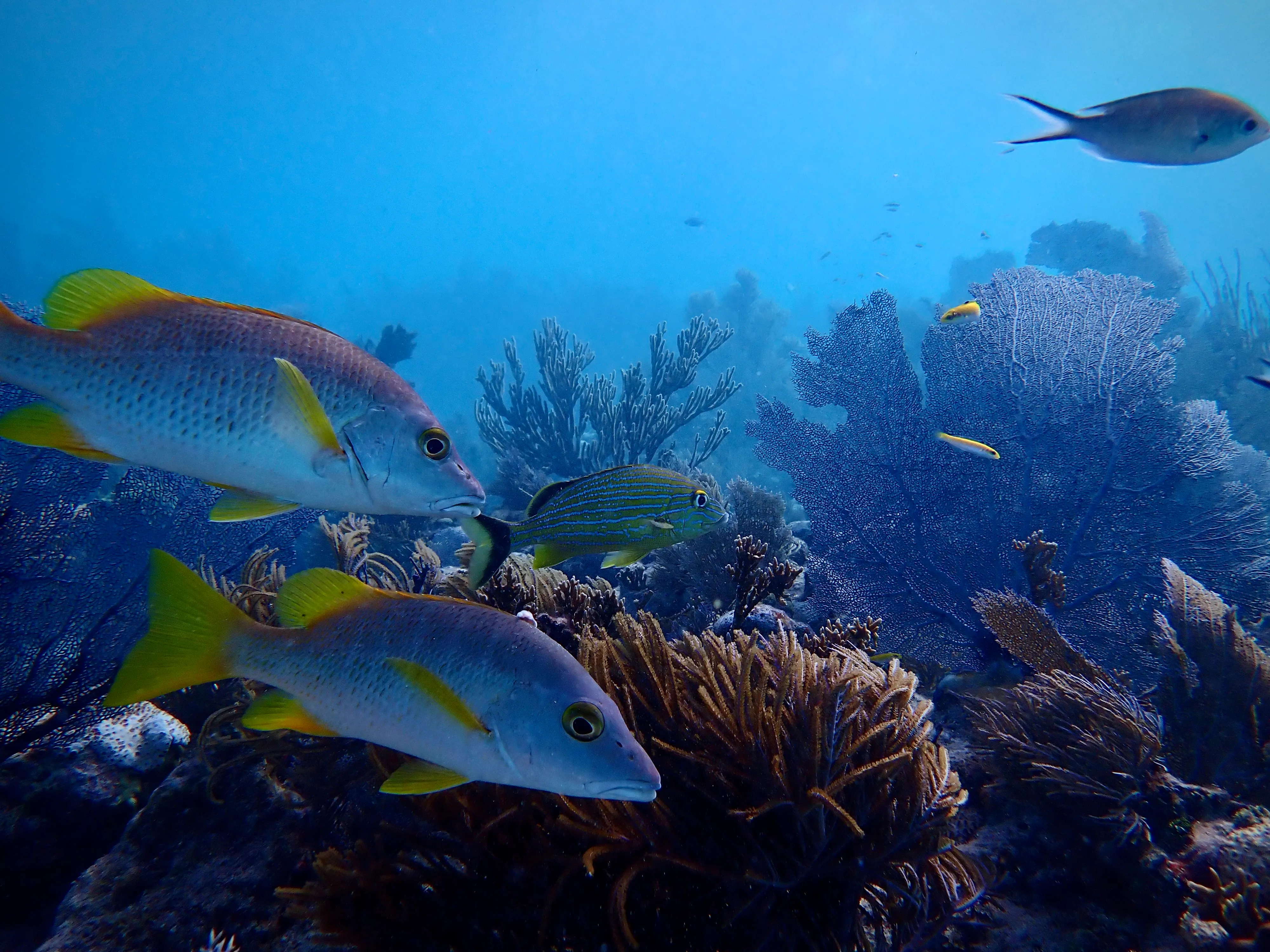
During daytime hours, a coral environment is dominated by visual hunters and vibrant, fast-moving tropical fish. Sunlight penetrates the water column, allowing you to see for dozens of metres in every direction. As dusk settles, this dynamic shifts entirely. The fast-moving species of the day seek shelter within the crevices of the limestone structures to rest. In their place, a completely different cast of characters emerges from the shadows.
The darkness provides cover for creatures that rely on stealth, smell, and tactile senses rather than sight. The water itself often feels different, typically calmer and more serene, as the daytime winds die down. Because your field of vision is restricted to the beam of your torch, you naturally move slower and focus more intensely on the small, intricate details immediately in front of you.
Bioluminescence and True Colours
One of the most spectacular phenomena you can witness in the dark is bioluminescence. This occurs when microscopic marine organisms, such as certain types of plankton, emit small flashes of light when disturbed by movement. By covering your torch for a brief moment and waving your hand through the water, you can watch thousands of tiny, glowing sparks trail behind your fingers like aquatic fireflies.
Furthermore, exploring with an artificial light source reveals the true colours of the underwater environment. During the day, the water column absorbs red, orange, and yellow light wavelengths, giving everything a muted blue or green tint at depth. At night, the white light from your torch restores these missing wavelengths, illuminating sponges, soft corals, and crustaceans in incredibly vivid, breathtaking colours that are completely invisible during daytime hours.
Encounters in the Dark: What You Will See
The primary reason enthusiasts brave the dark waters is the unique wildlife. The creatures you encounter on an evening excursion are often entirely different from those seen under the midday sun.
Nocturnal Marine Life
Once darkness falls, invertebrates become the stars of the show. Octopuses, which remain expertly camouflaged or hidden deep within holes during the day, venture out to hunt for crabs and small molluscs. You might witness a Caribbean reef octopus moving fluidly across the seabed, changing its colour and texture in the blink of an eye. Spiny lobsters leave their protective rocky overhangs to march across the sand, while moray eels, normally seen only with their heads poking out of crevices, swim freely in the open to ambush prey.
Sleeping Giants and Coral Activity
Equally fascinating is observing how daytime fish behave at night. You can often find large parrotfish resting on the bottom, completely encased in a transparent mucous cocoon that they secrete to mask their scent from nocturnal predators. Turtles can also be found wedged gently under ledges, sleeping soundly through the night.
Additionally, the coral itself comes alive. Hard corals, which look like inanimate rocks during the day, open their polyps in the dark. These tiny, flower-like tentacles extend into the water column to feed on passing plankton, transforming the rigid landscape into a soft, fuzzy, and feeding ecosystem.
Night Diving at John C Pennekamp
The upper Florida Keys offer some of the most accessible and rewarding nocturnal underwater environments in the world. The protected waters of John C Pennekamp provide an incredible backdrop for this type of exploration.
Exploring the Famous Reef System
Navigating the renowned Pennekamp reef after dark is a bucket-list experience for many ocean enthusiasts. Because the region is famous for its shallow offshore barrier systems, it is an ideal location for exploring in the dark. Shallow waters mean longer bottom times and warmer conditions, which are highly beneficial when the sun is not around to provide warmth. Those engaging in Pennekamp scuba will find that sites like French Reef and Grecian Rocks take on an entirely new personality. The limestone swim-throughs and sandy channels become highways for nocturnal hunters, making every turn a thrilling discovery.
Combining Daytime and Evening Water Activities
Families and groups travelling together often create full-day itineraries within the boundaries of Pennekamp park. During the bright daytime hours, visitors might enjoy Pennekamp snorkeling to view the iconic Christ of the Abyss statue or simply relax on a guided Pennekamp snorkel trip. As evening approaches, while the surface swimmers head back to shore to relax, certified enthusiasts gear up to experience the thrill of Pennekamp scuba diving. Understanding the rich history of John Pennekamp and its legacy as the nation's first undersea preserve adds a layer of profound appreciation to every evening spent exploring its depths.
Essential Equipment for After-Dark Exploration
Entering the water without natural light requires specific gear designed to keep you safe, oriented, and able to communicate with your partner.
Primary and Backup Dive Lights
The most critical piece of equipment is your primary light. Modern torches use powerful LED technology, offering intense brightness and long battery life. A good primary light will have a wide, even beam that illuminates the area ahead of you without creating a harsh, blinding hotspot.
Because safety is paramount, carrying a backup light is absolutely mandatory. If your primary torch fails, your backup light allows you to safely navigate back to the boat or the shore. This secondary light is usually more compact and kept securely in a pocket or clipped to your buoyancy compensator until needed.
Marker Lights and Safety Gear
In addition to torches used for seeing, you need lights designed to help others see you. Small marker lights, chemical glow sticks, or reusable LED beacons are typically attached to the first stage of your regulator (the valve behind your head). This allows your buddy and the boat crew to identify your position in the dark water instantly. Compasses with luminous dials are also crucial, as visual landmarks disappear at night, making instrument navigation essential for finding your way back to the vessel.
Preparing for Your First Dark Water Adventure
While dipping beneath the surface at night is incredibly rewarding, it requires specialized knowledge and careful preparation. The absence of light changes how you manage buoyancy, read your gauges, and communicate.
Required Training and Skills
Before attempting an evening descent, it is highly recommended to receive proper instruction. Enrolling in structured specialty courses focused on nocturnal environments will teach you the specific hand signals used with torches, how to handle light failures, and techniques for maintaining spatial awareness without visual references. Training helps build confidence, ensuring your first foray into the dark is relaxing rather than stressful.
Health, Comfort, and Safety Precautions
Because you are relying on artificial light, moving slowly and deliberately is crucial. Fast movements can easily cause you to lose orientation. Prior to boarding the vessel, ensure that your health is optimal for the slightly more demanding nature of an evening excursion. Completing a standard medical questionnaire is a standard safety protocol that ensures you are physically prepared for the pressure changes and the environmental conditions of the water. Staying close to your partner, reviewing hand signals, and monitoring your air supply more frequently are all vital habits for nocturnal safety.
Expert Navigation and Local Knowledge
When the sun goes down, even the most familiar sites can look completely foreign. Without the sun to provide directional orientation and without wide-angle visibility to spot familiar coral formations, it is incredibly easy to become disoriented.
This is why tapping into local expertise is critical. Navigating the dark water safely requires an intimate understanding of the site's topography, current patterns, and boat mooring locations. Utilizing knowledgeable, locally trained guides ensures that you do not spend your entire excursion simply trying to find your way around. A professional can lead you directly to the best spots for finding sleeping turtles, hunting octopuses, and blooming corals, allowing you to focus entirely on the magical experience unfolding in your light beam.
Elevate Your After-Dark Adventures
Choosing the right facility for your evening aquatic adventures makes all the difference in the world. You want an operator that prioritises safety, provides thorough briefings, and maintains small group sizes so that the dark water remains peaceful and uncrowded.
Dedicated marine professionals understand the nuances of exploring the reef after sunset. They provide the right equipment, the right vessels, and the right atmosphere for a spectacular evening. Whether you are looking to earn your nocturnal certification, rent top-tier illumination gear, or simply join a guided excursion to see the ocean in a completely new light, partnering with a trusted local centre guarantees a premium experience. To explore a wide range of aquatic excursions, comprehensive training programmes, and daily boat schedules, visit the Sea Dwellers Dive Center main page to begin planning your ultimate evening on the water.
Conclusion
A night dive is far more than just swimming in the dark; it is a passport to an entirely different ocean ecosystem. From the vibrant, true colours revealed by a strong torch to the fascinating behaviours of nocturnal predators and sleeping giants, the sea after dusk is a place of profound beauty and mystery. With the right equipment, proper training, and the guidance of experienced local professionals, exploring the ocean after sunset is a safe and breathtaking activity that will forever change the way you view the aquatic world. The vibrant nocturnal reef is waiting to be explored. Check availability, secure your equipment, and Book Now to reserve your place on an unforgettable evening charter today.
Frequently Asked Questions (FAQs)
1. Is it scary to go into the ocean at night?
It is completely normal to feel a bit apprehensive before your first evening excursion. However, once you descend, the focused beam of your light creates a calming, intimate environment. The slow pace and beautiful marine life quickly replace any initial nervousness with awe and fascination.
2. What happens if my main torch stops working underwater?
Safety protocols require every participant to carry at least one backup light. If your primary torch fails, you simply calmly signal your partner, turn on your backup light, and safely end the excursion by returning to the boat together.
3. Do I need a special certification to go in the dark?
While some operators allow advanced-level certificate holders to participate, it is highly recommended and often required to have completed a specific nocturnal specialty certification. This training ensures you understand communication, navigation, and safety procedures specific to low-visibility environments.
4. Will I see sharks during an evening excursion?
While the ocean is a wild environment, encountering aggressive sharks at night on shallow tropical reefs is incredibly rare. You may see docile nurse sharks, which are nocturnal bottom-feeders that search for crustaceans in the sand, but they are generally harmless and avoid human contact.
5. How do you communicate underwater in the dark?
Communication is done by shining your light onto your own hands while making standard underwater hand signals, so your partner can clearly see your gestures. You can also use your light beam to draw circles (meaning "okay") or move it rapidly side-to-side to grab someone's attention in an emergency.
%2F%2Fguide_websites%2F57922%2Fimages%2F1778714461261scuba-diving-key-largo11.png&w=1920&q=75)
%2F%2Fguide_websites%2F57922%2Fimages%2F1778717442833snorkeling-trip-key-largo.jpg&w=1920&q=75)
%2F%2Fguide_websites%2F57922%2Fimages%2F1778714920633scuba-diving-key-largo44.png&w=1920&q=75)