/filters:format(jpeg,png)/fit-in/300x300/guide_websites/57922/images/1780545651973sea_dwellers_transparent_lockup.png)
/filters:format(jpeg,png)/fit-in/237x80/guide_websites/57922/images/1780545651973sea_dwellers_transparent_lockup.png)
Things to Do at John C Pennekamp Park: The Ultimate Visitor Guide
%2Ffit-in%2F1000x1000%2Ffilters%3Aformat(webp)%2Fguide_websites%2F57922%2Fimages%2F1778721561635snorkeling-in-key-largo.jpg&w=1920&q=75)
Published: September 9, 2026
Situated in the upper Florida Keys, Key Largo is home to one of the most remarkable coastal sanctuaries in the United States. Spanning roughly 70 square nautical miles of land, mangrove swamps, and ocean waters, the park offers an unparalleled gateway to sub-tropical ecosystems. Established in 1974 as the nation's very first underwater preserve, the sanctuary attracts nature enthusiasts, families, and ocean adventurers from around the globe. While the park is world-renowned for its living coral barrier reefs, it also features a rich tapestry of land-based adventures, mangrove waterways, and quiet coastal beaches.
Whether your ideal holiday involves floating over shallow coral gardens, paddling a kayak through peaceful mangrove channels, or embarking on an underwater quest to explore sunken history, this legendary destination delivers an unforgettable itinerary. However, with so many activities available across both land and water, planning your visit effectively ensures you make the most of your trip. This comprehensive guide highlights the top things to do at John C Pennekamp Park, covering everything from iconic offshore excursions to land-based attractions, environmental history, and essential visitor planning tips.
The Origins and Importance of John C Pennekamp Coral Reef State Park
To fully appreciate the diverse array of activities available throughout the preserve, it helps to understand the history behind its establishment. The sanctuary was created to protect a fragile, living ecosystem that was once under severe ecological threat.
The Preservation of America’s First Underwater Park
During the mid-twentieth century, unchecked commercial harvesting, curio trading, and anchoring caused significant harm to the living coral formations off Key Largo. Recognizing that this vibrant marine world was on the brink of collapse, John C Pennekamp, a passionate Miami newspaper editor, partnered with marine scientists to advocate for legal protection. Their dedicated efforts culminated in a historic decision by President Dwight D. Eisenhower to protect the offshore coral tracts, paving the way for the creation of John C Pennekamp Coral Reef State Park.
This historic milestone set a precedent for marine conservation worldwide. By establishing protected sanctuary boundaries and deploying permanent mooring buoys, the park eliminated destructive anchoring on delicate limestone structures, allowing living corals, sponges, and marine species to rebuild and flourish undisturbed.
Coastal Ecosystems: Mangroves, Seagrass, and Reefs
The park protects three interconnected ecosystems: coastal mangrove forests, shallow seagrass beds, and outer coral barrier reefs. The dense mangrove shoreline acts as a natural coastal buffer, filtering runoff and providing nursery habitat for juvenile reef fish, spiny lobsters, and wading birds.
Further offshore, vast seagrass meadows feed green sea turtles and manatees before giving way to the brilliant outer coral tracts. Understanding how these coastal systems interact enriches your visit, showing how every activity—whether paddling through nearshore estuaries or exploring offshore coral heads—is connected to a healthy, protected marine sanctuary.
Offshore Water Adventures: Exploring the Living Reefs
For most visitors, heading out onto the open ocean is the absolute highlight of their visit. The offshore sanctuary harbours living coral formations, clear turquoise waters, and an abundance of marine life that make aquatic exploration truly spectacular.
Exploring Legendary Coral Sites via Pennekamp Scuba Diving
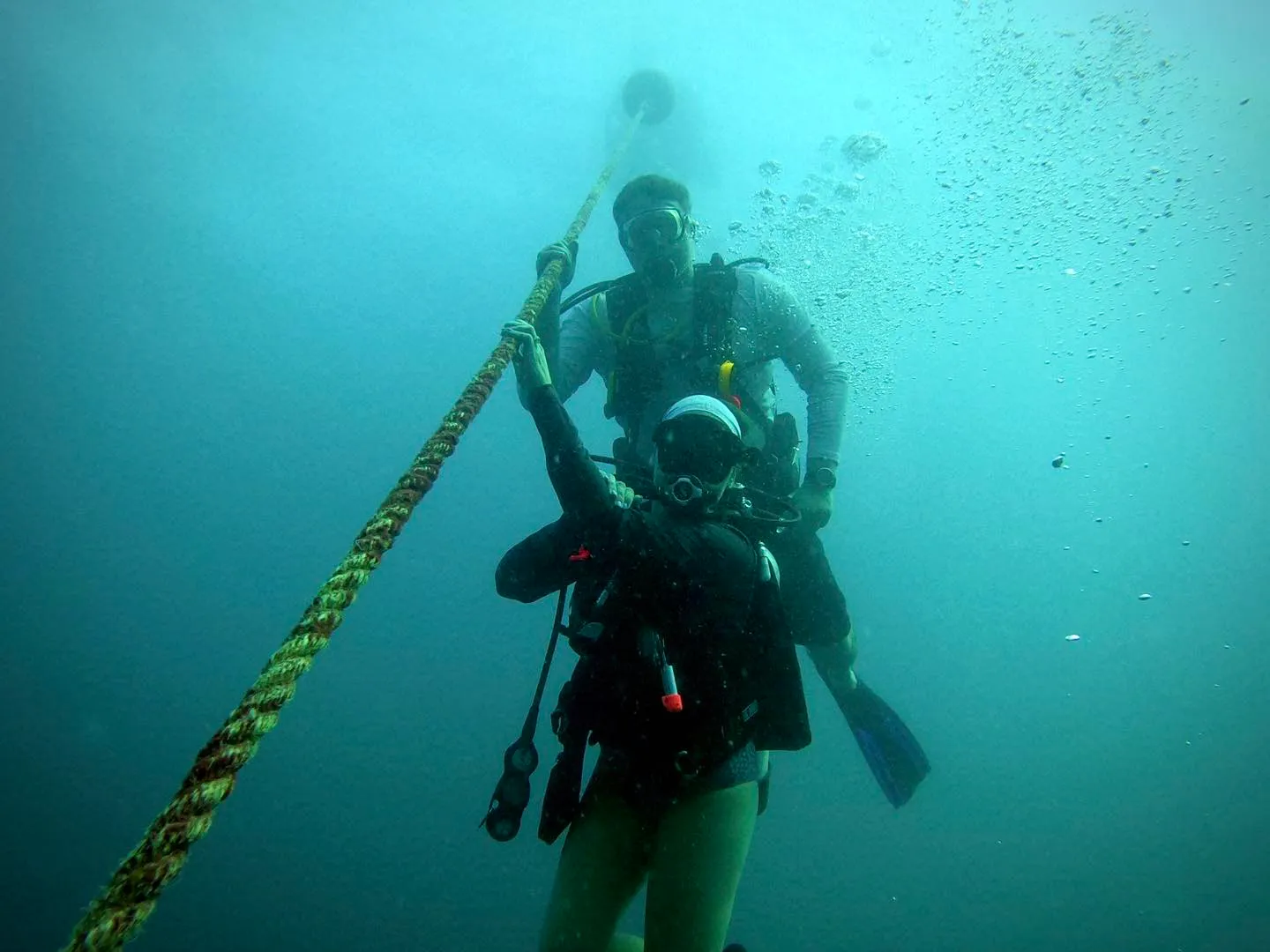
Descending beneath the surface allows you to experience the marine sanctuary in three dimensions. Taking part in Pennekamp scuba diving gives you access to shallow patch reefs, dramatic spur-and-groove formations, and historic shipwreck structures. Sites like Molasses Reef feature high ridges of living coral separated by clean sand channels, offering exceptional water clarity and encounters with sea turtles, spotted eagle rays, and friendly nurse sharks.
Another world-famous dive location within the preserve is Key Largo Dry Rocks, home to the iconic Christ of the Abyss statue. Standing eight feet tall in roughly twenty-five feet of water, this bronze sculpture rests on a coral pedestal, surrounded by swirling schools of tropical fish. For non-certified visitors eager to take their first breath underwater, enrolling in a Discover Scuba Diving course provides fundamental safety training in shallow water followed by a guided ocean excursion on the very same day.
Surface Swimming Excursions: Pennekamp Snorkeling
If you prefer floating comfortably on the surface, participating in a Pennekamp snorkeling charter is one of the most popular and accessible activities in the Florida Keys. The shallow nature of the local reefs, often resting in just five to twenty-five feet of water, makes surface floating an ideal choice for families and casual ocean observers.
Popular surface spots such as Grecian Rocks offer calm, protected waters where you can look directly down at brain coral, star coral, and purple sea fans. Bright sunlight easily illuminates the shallow seabed, bringing out the vivid natural colours of parrotfish, French angelfish, and yellowtail snapper. Because surface floating requires minimal equipment, taking a Pennekamp snorkel trip provides a quick, low-barrier way to experience the beauty of the reef.
Deep Wrecks and Advanced Diving Opportunities
Beyond the shallow coral fingers, the marine preserve holds fascinating artificial reefs and historical wrecks for certified explorers. The USS Benwood, a Dutch merchant freighter that sank in 1942, rests in shallow water and serves as a bustling artificial habitat for moray eels and large grouper.
For those interested in exploring deeper wreck structures or extending their underwater skill set, enrolling in specialty courses allows divers to master underwater navigation, deep buoyancy control, and wreck safety protocols under expert instruction. Engaging in Pennekamp scuba excursions opens up a wide variety of dive sites across the sanctuary, accommodating both beginners and experienced underwater photographers.
Land and Nearshore Activities at Pennekamp Park
While the offshore coral tracts receive significant attention, the terrestrial and nearshore areas of Pennekamp park offer an array of exciting activities for visitors who prefer staying close to land.
Paddling and Kayaking Through Mangrove Trails
One of the most peaceful ways to explore the park's coastal boundary is by renting a kayak or stand-up paddleboard. The park features miles of designated mangrove waterways that wind through quiet, sheltered estuaries. As you glide silently over shallow water, you can peer down to spot juvenile barracuda, upside-down jellyfish, and small rays swimming among the tangled mangrove roots.
The calm nature of these winding channels makes paddling suitable for all ages and skill levels. Birds such as snowy egrets, roseate spoonbills, and osprey are frequently seen perching in the mangrove canopy overhead, making it a paradise for birdwatchers and nature photographers seeking tranquil land-based adventures.
Relaxing at Cannon Beach and Far Beach
If you are looking to swim, sunbathe, or enjoy a picnic along the shoreline, the park offers two primary beach areas: Cannon Beach and Far Beach. Cannon Beach is famous for its historical artifacts resting just offshore in shallow water, including seventeen-century Spanish cannons salvaged from historic shipwrecks. Swimmers can strap on a mask and swim out to view these fascinating artifacts resting on the sandy bottom.
Far Beach offers a quieter setting shaded by native sea grape trees and palms, featuring calm, shallow water ideal for small children. Shaded picnic pavilions, barbecues, and clean restroom facilities near both beaches make them excellent spots to relax between water excursions.
The Visitor Center Aquarium and Nature Trails
Before or after your outdoor excursions, visiting the park's Visitor Center is a must. The facility features a massive 30,000-gallon saltwater aquarium that replicates a natural coral reef ecosystem, giving guests an up-close look at local fish species, moray eels, and living corals without getting wet. Educational displays provide fascinating insights into maritime history, coral biology, and local conservation initiatives.
Outside the Visitor Center, short, accessible walking paths wind through native hardwood hammocks and coastal vegetation. The Wild Tamarind Trail takes visitors through a tropical forest canopy, complete with informative signs identifying native plant species such as gumbo limbo and wild tamarind trees.
Planning Tips for an Exceptional Trip
To ensure your visit to the park goes smoothly, thoughtful planning beforehand is essential. Taking seasonal weather, equipment needs, and scheduling into account helps guarantee a hassle-free trip.
Best Time to Visit and Weather Factors
The sub-tropical climate of the upper Keys permits year-round outdoor recreation, but conditions shift with the seasons. Summer months, from June through September, bring warm water temperatures averaging 28 degrees Celsius, glassy surface conditions, and high underwater visibility exceeding twenty metres. Summer is prime season for water activities like diving, swimming, and paddling.
Winter months, from December through March, bring cooler breezes and occasional passing weather fronts. While water clarity remains excellent, water temperatures drop slightly to around 22 to 24 degrees Celsius. Wearing a light wetsuit or rash guard keeps water enthusiasts comfortable. To ensure physical readiness for active ocean outings, reviewing a standard medical questionnaire before participating in deep-water excursions is always a smart precaution.
Maximizing Your Experience with Guided Excursions
Whether floating over shallow coral beds or diving deep wrecks, hiring professional guides significantly enhances your excursion. Experienced ocean guides know the underwater landscape intimately, leading you straight to active marine life habitats while managing navigation and safety.
Furthermore, booking your boat charters early is highly recommended, especially during peak holiday seasons. Whether embarking on a family surface tour or a dedicated reef diving charter, reserving your spot in advance ensures you secure ideal departure times.
Experience Key Largo with Legacy Diving Professionals
While visiting the state preserve is a wonderful experience, choosing the right dive shop for your offshore boat charter dictates the ultimate quality of your holiday. While large tour operators carry massive groups out to the water on tight schedules, choosing a boutique, customer-focused facility ensures a far more relaxed, premium experience. You deserve personalized care, spacious boats, and extended time on the water.
Established local operators prioritize small group sizes, high safety standards, and unhurried schedules. Rather than rushing guests through abbreviated reef stops, top-tier facilities offer generous 65-minute bottom times on shallow reef trips, allowing you to relax, conserve your air, and take photos without feeling rushed. To discover custom boat packages, professional training options, and daily charter availability, visit Sea Dwellers Dive Center to start organizing your getaway today.
Conclusion
John C Pennekamp Park stands as a premier outdoor destination, offering an extraordinary mix of marine conservation, rich history, and coastal adventure. From exploring world-famous offshore coral sites like Key Largo Dry Rocks and Molasses Reef to kayaking through quiet mangrove estuaries, swimming at historic Cannon Beach, and viewing native marine life at the Visitor Center, the park delivers unforgettable activities for visitors of all ages. By planning ahead, respecting delicate coastal ecosystems, and adventuring with an experienced, customer-focused dive shop, you set the stage for a safe, educational, and deeply rewarding holiday in the Florida Keys. The turquoise waters, living corals, and warm coastal breezes are waiting for your arrival. Review charter availability, pick your trip dates, and Book Now to secure your spot on an exceptional ocean excursion today.
Frequently Asked Questions (FAQs)
1. Is there an entrance fee to visit the park?
Yes, there is a modest vehicle entrance fee charged at the park gate. This fee covers access to land facilities, beaches, walking trails, picnic areas, and the Visitor Center aquarium for the entire day.
2. Can I rent kayaks or paddleboards inside the park?
Yes, rental facilities inside the park provide single and double kayaks, as well as stand-up paddleboards, for exploring the miles of calm mangrove waterways winding through the preserve.
3. Are the offshore boat charters suitable for young children?
Offshore surface charters and glass-bottom boat tours are very family-friendly. Flotation vests are provided for all water participants, allowing children to safely enjoy looking down at shallow coral formations and tropical fish.
4. What is the historic significance of Cannon Beach?
Cannon Beach features remnants of a seventeenth-century Spanish shipwreck resting in shallow water near the shore. Swimmers can easily view salvaged historic cannons and anchor iron resting on the sandy seabed just a short swim from the beach.
5. How much time should I allocate for a complete visit?
To fully enjoy both land-based attractions and an offshore water excursion, allocating a full day is recommended. This allows ample time for a half-day boat trip to Pennekamp reef, followed by a picnic, beach swim, and a visit to the aquarium and nature trails.
%2F%2Fguide_websites%2F57922%2Fimages%2F1778714461261scuba-diving-key-largo11.png&w=1920&q=75)
%2F%2Fguide_websites%2F57922%2Fimages%2F1778717442833snorkeling-trip-key-largo.jpg&w=1920&q=75)
%2F%2Fguide_websites%2F57922%2Fimages%2F1778714920633scuba-diving-key-largo44.png&w=1920&q=75)