/filters:format(jpeg,png)/fit-in/300x300/guide_websites/57922/images/1780545651973sea_dwellers_transparent_lockup.png)
/filters:format(jpeg,png)/fit-in/237x80/guide_websites/57922/images/1780545651973sea_dwellers_transparent_lockup.png)
The History of the Rainbow Reef Area and Diving in Key Largo
%2Ffit-in%2F1000x1000%2Ffilters%3Aformat(webp)%2Fguide_websites%2F57922%2Fimages%2F1778721561635snorkeling-in-key-largo.jpg&w=1920&q=75)
Published: September 9, 2026
The underwater landscape of the southern United States is an aquatic treasure that has captivated ocean enthusiasts for generations. The legacy of Florida Keys Diving is intricately tied to the evolution of marine conservation, the pioneering spirit of early aquatic explorers, and the establishment of world-renowned protected sanctuaries. Long before modern tourism transformed the coastal economy, the vibrant coral gardens offshore were recognised for their breathtaking beauty and unparalleled biodiversity. With towering brain corals, swaying purple sea fans, and kaleidoscopic schools of tropical fish, it is no wonder that the region’s marine habitats have long been celebrated by visitors as a spectacular Rainbow reef florida ecosystem. The sheer density of life found in these warm, clear waters created an international sensation, drawing adventurers from across the globe.
Today, enjoying scuba diving in key largo florida is a streamlined and accessible experience, but the history of how this area was preserved and how the diving industry evolved is a fascinating story. From early unregulated curio collection to the establishment of massive modern operations like the Rainbow reef dive center, the transformation of this aquatic frontier highlights a delicate balance between public access and environmental protection. This comprehensive history explores how the coral tracts were saved, how the local dive industry expanded with the arrival of massive outfits and countless Rainbow reef divers, and why selecting a boutique, customer-focused operator remains the absolute best way to experience the marine sanctuary today.
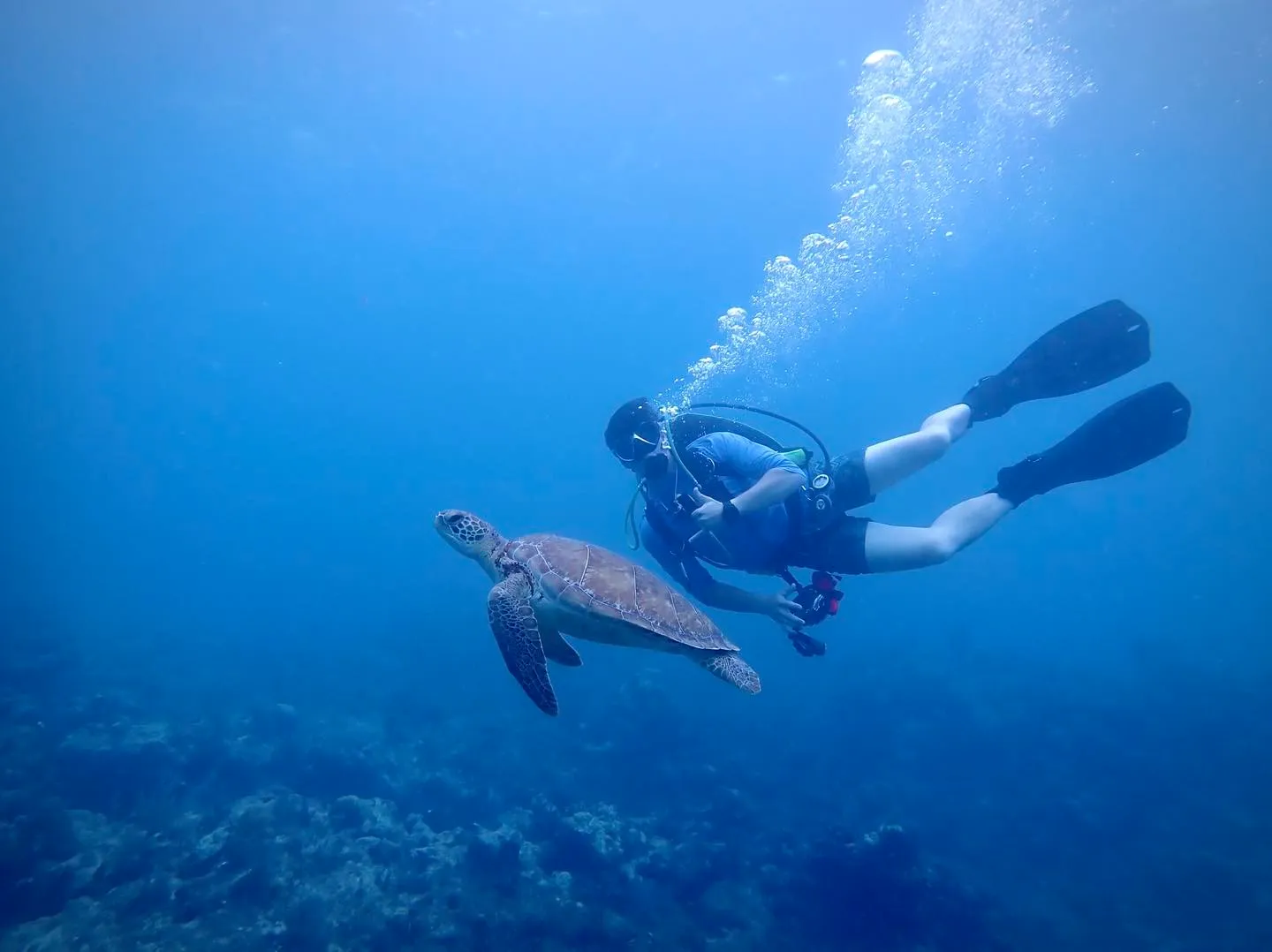
The Early Days of Coastal Exploration and Coral Conservation
Before the 1960s, key largo florida scuba diving was a largely unregulated frontier. Early adventurers towed small boats to the edge of the Gulf Stream to explore the shallow fringes of the Atlantic. During this era, the magnificent coral formations were viewed as an endless resource, which unfortunately led to widespread environmental degradation.
The Threat to the Coral Ecosystem
Throughout the 1930s and 1950s, souvenir hunters, curio collectors, and commercial shell traders routinely dynamited, chiselled, and hammered away massive chunks of ancient coral to sell in roadside gift shops. The vibrant ecosystems, bursting with colourful parrotfish, sea turtles, and sponges—often referred to by locals as a true Rainbow reef because of the brilliant spectrum of marine life—were on the brink of total devastation. If left unchecked, the rampant harvesting of conch shells, sea fans, and delicate branching corals would have reduced the bustling underwater metropolis to a barren desert.
The Establishment of the First Underwater Park
Recognising the catastrophic damage occurring just offshore, Dr Gilbert Voss of the Marine Institute of Miami and John D. Pennekamp, an influential newspaper editor, spearheaded a fierce and relentless conservation campaign. Their lobbying efforts culminated in the spring of 1960 when President Dwight D. Eisenhower established the Key Largo Coral Reef Preserve. Shortly thereafter, the state-managed waters were opened as John Pennekamp Coral Reef State Park, becoming the very first underwater park in the United States. This monumental shift in public policy effectively halted the destruction and laid the permanent foundation for the thriving eco-tourism industry that exists today.
The Birth of the National Marine Sanctuary
While the state park provided vital protection for the immediate coastal waters, the true barrier reef ecosystem extended much further into federal territory. To safeguard these critical habitats, the federal government had to step in with broader, more sweeping legislation.
Expanding Federal Protections
In 1975, the Key Largo National Marine Sanctuary was designated to protect the deeper offshore areas that fell outside the state park's jurisdiction. Eventually, growing concerns over deteriorating water quality, oil drilling proposals, and catastrophic vessel groundings—such as the grounding of the massive freighter Wellwood on Molasses Reef in 1984—prompted Congress to take unprecedented action. In 1990, the Florida Keys National Marine Sanctuary was officially established, enveloping the previous jurisdictions and protecting an astounding 2,900 square nautical miles of aquatic habitat.
Pioneering Conservation and Artificial Reefs
During this era of expanding environmental protection, the local diving community pioneered critical conservation technologies. In 1981, local residents John and Judy Halas developed and implemented an innovative mooring buoy system throughout the sanctuary. This system allowed boats to secure themselves without dropping heavy anchors onto the fragile living coral, a practice that drastically reduced physical damage to the delicate reefs. Furthermore, the community began creating artificial reefs by intentionally sinking decommissioned ships, such as the famous Spiegel Grove and the historic USS Benwood. These wrecks quickly transformed into bustling marine habitats, alleviating diving pressure on the natural coral formations and providing thrilling new environments for advanced underwater exploration.
The Evolution of the Local Dive Industry
As the sanctuary flourished and the marine life rebounded, the local tourism industry experienced an unprecedented boom. The region quickly earned the title of the Dive Capital of the World, and the sheer volume of visitors necessitated a rapid expansion of commercial dive operators.
The Rise of High-Capacity Operations
In the ensuing decades, high-capacity businesses emerged to meet the soaring global demand. Operations like the Rainbow reef dive center grew into massive instructional hubs, processing thousands of certifications each year. The sheer scale and marketing reach of the Rainbowreef operation fundamentally changed the landscape of the local industry, popularising the area globally and introducing a massive influx of Rainbow reef divers to the region. Their fleets of boats became a daily fixture on the horizon, ferrying huge groups of students and tourists to the most popular sites within the sanctuary.
The Impact of Mass Tourism on the Reefs
The presence of these large-scale operations meant that exploring the Rainbow reef key largo area became highly accessible to the masses. While these high-volume operations played a significant role in popularising scuba key largo florida and bringing international attention to the conservation of the reefs, the industrial scale of such businesses also introduced a different style of tourism. With boats often packed to maximum capacity and strict, inflexible schedules dictating the day's itinerary, some of the tranquil, intimate magic of the ocean began to feel slightly lost. For many discerning travellers, the desire for a quieter, more personal connection with the ocean remained unfulfilled by the massive commercial fleets.
The Importance of Choosing the Right Operator
When planning an expedition into a protected marine sanctuary, the operator you choose dictates the entire tone and safety of your experience. Understanding the nuances between different businesses is crucial for a successful holiday.
Comparing the Aquatic Experience
For those venturing into these waters, the contrast between a massive, high-volume instructional facility and a boutique, customer-first dive centre is remarkably stark. While the large operations move impressive numbers of people through the water, smaller, legacy-driven dive centres focus entirely on the individual experience. An unhurried pace, extended bottom times, and a welcoming, family-like atmosphere allow divers to truly connect with the marine environment rather than feeling like they are simply part of a crowded, rushing assembly line.
Why Sea Dwellers Offers a Unique and Superior Experience
Amidst the constantly changing landscape of the local dive industry, Sea Dwellers Dive Center has remained a steadfast pillar of quality, safety, and personalised service.
A Legacy of Personalised Service
With a rich history spanning over half a century, the facility has consistently prioritised the customer experience over sheer passenger volume. To understand the depth of their roots in the community and their unwavering commitment to aquatic excellence, you can explore the company profile. They operate on the fundamental belief that exploring the ocean should be a transformative, peaceful experience, which is why they actively avoid the crowded boat mentality that plagues many modern tourist destinations.
Furthermore, the vessels are captained and crewed by seasoned, deeply passionate professionals. When you dive alongside their expertly trained guides, you benefit from their intimate knowledge of the sanctuary's hidden gems. They know precisely how to navigate shifting currents and possess the local insight required to ensure you visit the best sites with the most optimal visibility on any given day.
Unrushed Exploration and Advanced Training
One of the most significant advantages of diving with a boutique operator is the luxury of time. Unlike the rigid, rushed schedules often found on crowded boats, Sea Dwellers proudly offers extended 65-minute bottom times on their shallow reef excursions. This relaxed pace allows you to conserve your breathing gas, swim slowly, and observe the intricate behaviours of marine life without the constant anxiety of checking your watch.
Beyond daily reef trips, the facility excels in comprehensive, unhurried education. Whether you are looking to take your first breath underwater or expand your existing skill set, their instructional philosophy is rooted in immense patience and safety. By enrolling in advanced specialty courses, divers can safely explore historic shipwrecks, master underwater navigation, or experience the thrill of a twilight dive under the careful, dedicated supervision of elite instructors.
Discover the Magic of the Sanctuary with Sea Dwellers
The history of the local coral reefs is a profound testament to the power of conservation and the enduring appeal of the ocean. While massive operations have their place in the history of the region's tourism boom, the ultimate way to appreciate the sanctuary is with a dedicated team that treats you as a valued guest rather than a number on a manifest. For a truly unforgettable, unhurried, and expertly guided aquatic holiday, discovering the underwater world with a legacy operator is the ideal choice. To learn more about their exceptional fleet, outstanding safety record, and daily departure schedules, please visit Sea Dwellers Dive Center and see exactly why they remain the gold standard in the Florida Keys.
Conclusion
The transformation of the coastal waters from a vulnerable, exploited resource into a globally celebrated, heavily protected marine sanctuary is a remarkable conservation success story. The colourful coral gardens and bustling shipwrecks have captivated generations, driving the evolution of an entire industry. However, experiencing this majestic underwater world should never feel like a crowded, rushed tourist trap. By choosing a dedicated, boutique facility that offers extended 65-minute bottom times, highly experienced crews, and a true, unwavering passion for the ocean, you guarantee that your holiday will be safe, relaxing, and deeply awe-inspiring. Do not leave your aquatic adventure to chance; review the upcoming charter availability and Book Now to secure your spot on the finest, most comfortable dive boats in the marine sanctuary today.
Frequently Asked Questions (FAQs)
1. What makes the coral reefs in this region so historically significant?
The reefs off the coast of the upper Florida Keys are part of the third-largest barrier reef system in the world. Their historical significance was cemented in 1960 with the creation of John Pennekamp Coral Reef State Park, the first underwater park in the United States, which was established specifically to protect the vibrant marine life from unregulated harvesting and destruction.
2. Are the massive, high-volume dive operations the only way to get certified in the area?
Not at all. While high-volume instructional hubs process many students, boutique operators like Sea Dwellers Dive Center offer a much more personalised, patient, and unhurried educational experience, which is often far better for building a student's confidence and fundamental skills in the water.
3. Why are extended bottom times important for a dive trip?
Extended bottom times, such as the 65-minute allowance offered by premium operators, give you the freedom to explore the reefs at a relaxed, comfortable pace. This prevents the anxiety of being rushed, naturally reduces your air consumption rate, and allows for much better marine observation and underwater photography.
4. Can I explore the historic shipwrecks if I am only an Open Water diver?
The region features wrecks at varying depths. Shallow wrecks like the historic USS Benwood are generally accessible to Open Water divers. However, deeper artificial reefs like the Spiegel Grove require advanced certifications, which can easily be acquired through specialised training courses with your chosen dive centre.
5. How did the local diving community help protect the coral reefs from anchor damage?
In 1981, local residents John and Judy Halas pioneered a brilliant mooring buoy system. These buoys were installed throughout the marine sanctuary, allowing dive boats to tie up securely without having to drop heavy metal anchors onto the fragile, living coral beds, drastically reducing physical damage to the ecosystem.
%2F%2Fguide_websites%2F57922%2Fimages%2F1778714461261scuba-diving-key-largo11.png&w=1920&q=75)
%2F%2Fguide_websites%2F57922%2Fimages%2F1778717442833snorkeling-trip-key-largo.jpg&w=1920&q=75)
%2F%2Fguide_websites%2F57922%2Fimages%2F1778714920633scuba-diving-key-largo44.png&w=1920&q=75)