/filters:format(jpeg,png)/fit-in/300x300/guide_websites/57922/images/1780545651973sea_dwellers_transparent_lockup.png)
/filters:format(jpeg,png)/fit-in/237x80/guide_websites/57922/images/1780545651973sea_dwellers_transparent_lockup.png)
Rainbow Reef Florida vs Rainbow Reef Fiji
%2Ffit-in%2F1000x1000%2Ffilters%3Aformat(webp)%2Fguide_websites%2F57922%2Fimages%2F1778721561635snorkeling-in-key-largo.jpg&w=1920&q=75)
Published: September 9, 2026
The world's oceans are dotted with spectacular diving destinations, but few names evoke as much wonder and excitement as the legendary moniker "Rainbow Reef." Interestingly, this title belongs to two completely different, yet equally breathtaking, marine ecosystems located on opposite sides of the globe. On one side, you have the legendary soft coral haven in Fiji, a remote Pacific paradise that draws advanced divers seeking deep walls and raging tidal currents. On the other side, you have the magnificent coral tracts of the southern United States, where Florida Keys Diving offers an accessible, sun-drenched sanctuary teeming with historical shipwrecks and bustling marine life.
The majestic allure of the ocean draws thousands of adventure seekers every year, all looking to witness the unspoken beauty of submerged ecosystems. Both of these destinations have built legendary reputations within the global aquatic community, capturing the imaginations of photographers and conservationists alike. For those researching their next holiday, comparing Rainbow reef florida with its Fijian namesake is a fascinating exercise in holiday planning. Both destinations offer extraordinary encounters with tropical fish, but their topographies, required skill levels, and overall experiences differ vastly. This guide will explore the unique characteristics of both reefs, from the glowing depths of Fiji's Somosomo Strait to the brilliant, shallow coral gardens of key largo florida scuba diving. Whether you are an elite underwater explorer or a complete novice taking your first breath beneath the surface, understanding the detailed nuances of these two iconic locations will help you plan the ultimate getaway.
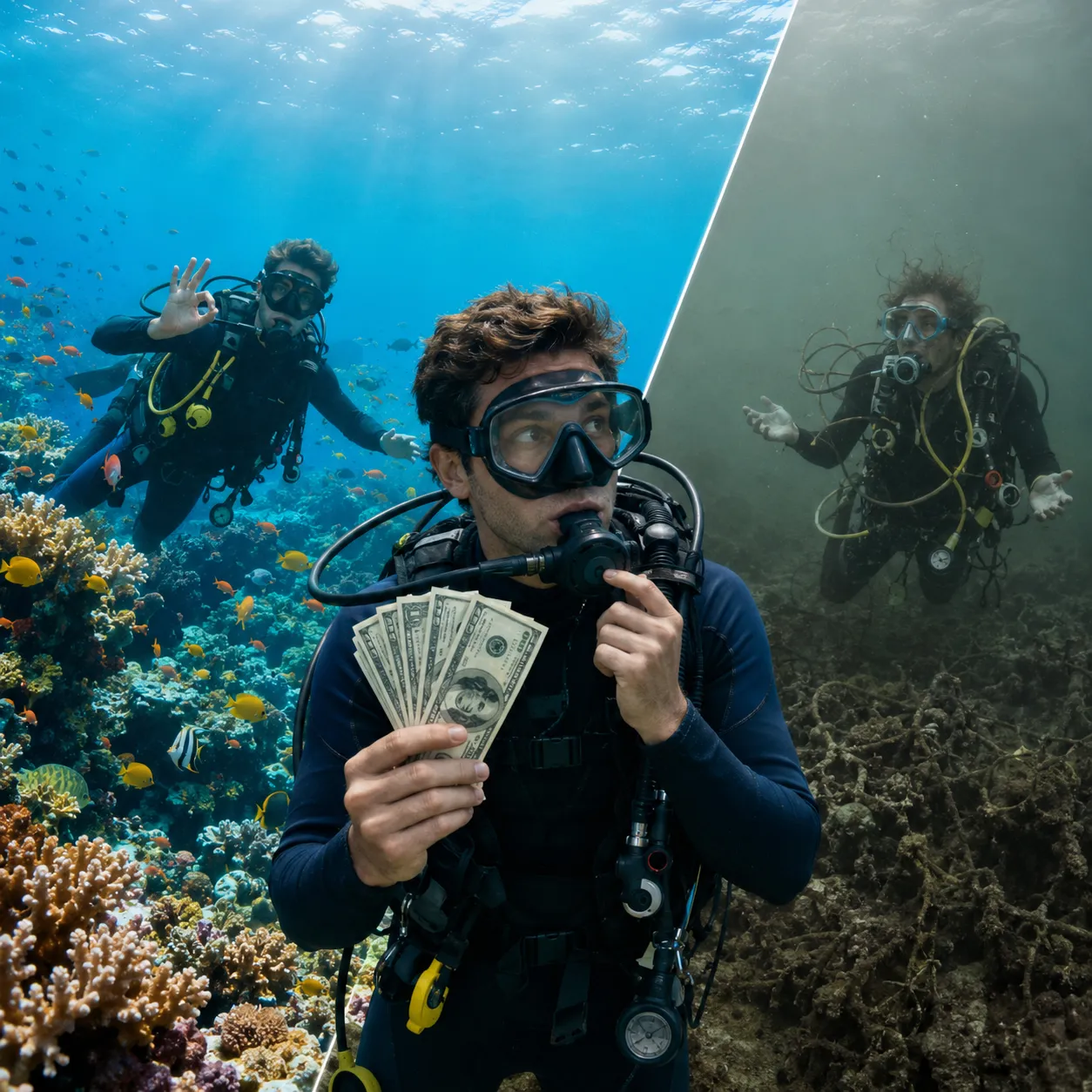
Exploring Rainbow Reef Fiji: The Soft Coral Capital of the World
Fiji's Rainbow Reef is a famous reef system located in the Somosomo Strait between the Fijian islands of Taveuni and Vanua Levu. The geography of the strait acts as a massive oceanic funnel, squeezing tidal water through the passage and creating incredibly powerful currents. The topography of the Somosomo Strait is truly a geological marvel. Ancient volcanic activity shaped the underlying structures, creating deep chasms and sprawling underwater valleys that now serve as the foundation for the thriving corals. These geographical features create natural funnels that accelerate the water movement, sometimes reaching speeds that challenge even the strongest swimmers. This is why strict adherence to tide tables and lunar cycles is absolutely mandatory when diving here.
The Soft Coral Capital of the World
Because of the nutrient-rich water rushing relentlessly through the Somosomo Strait, this area is widely known as the "soft coral capital of the world" due to its brilliant, multi-colored soft corals. Unlike hard corals that build massive calcium structures, soft corals rely on the constant flow of oceanic water to deliver microscopic food. When the current runs strong, the reef undergoes a miraculous transformation. Millions of polyps open simultaneously to feed, turning the reef into a multi-coloured spectacle blooming with intense reds, purples, oranges, and pinks.
The Great White Wall Dive Site
This is the reef's most famous dive site, featuring a vertical drop covered in glowing white and lavender soft corals. The Great White Wall plunges into the dark abyss, drawing elite underwater photographers from across the planet. When the tidal current is at its absolute peak, the polyps expand fully, giving the sheer cliff face the surreal appearance of luminous snow. Navigating this site requires descending through a dark lava tube before emerging out onto the blindingly white precipice, an experience that is both exhilarating and technically demanding.
Thriving Marine Life and Pelagic Encounters
The strong tidal currents in the strait supply rich nutrients, supporting abundant tropical fish, sharks, and rays. The ecosystem here is wild, with large pelagic species cruising the deeper ledges in search of prey. Manta rays, grey reef sharks, and massive schools of silver barracuda are frequently spotted in the turbulent water. You might understandably wonder about the best time of year to visit or the diving certification level needed for the Great White Wall. Due to the intense drift speeds and depths involved, it is strictly recommended for advanced, highly experienced divers only. Visiting during the dry season, from May to October, generally provides the best visibility and consistent coral fluorescence.
Discovering the Local Magic: Rainbow Reef in the Florida Keys
On the opposite side of the planet, the upper Florida Keys offer an entirely different, yet equally captivating, underwater experience. When locals and tourists talk about the vibrant reefs in this region, they are referring to the vast, colourful coral tracts that make up the protected Florida Keys National Marine Sanctuary. Engaging in scuba diving in key largo florida is world-renowned for its brilliant shallow reefs, crystal-clear waters, and unparalleled accessibility.
The Coral Gardens and Historic Reefs
Unlike the deep, sheer walls of Fiji, the reef systems here are characterised by sprawling, sunlit coral gardens that stretch for miles. Massive brain corals, towering pillar corals, and swaying purple sea fans dominate the limestone landscape. The marine life is astonishingly diverse. Sea turtles gracefully navigate through the natural spur-and-groove formations, whilst friendly spotted moray eels and large goliath grouper hide within the crevices. The area is also famous for historic shipwrecks, offering aquatic explorers a chance to dive artificial reefs that have transformed into bustling aquatic cities over the decades.
Moreover, the protective regulations established by the Florida Keys National Marine Sanctuary have allowed these coral gardens to flourish free from commercial exploitation. The implementation of mooring buoys has completely eliminated anchor damage, preserving the delicate limestone structures for future generations to admire. This unwavering commitment to environmental conservation ensures that the aquatic habitats remain pristine and vibrant, offering an authentic window into the wonders of the Atlantic Ocean.
Accessibility and Inclusivity for All Skill Levels
One of the most celebrated advantages of scuba key largo florida is its incredible accessibility. The natural reefs in this sanctuary are relatively shallow, often ranging between 15 and 35 feet (4.5 to 10 metres). This shallow depth allows brilliant natural sunlight to penetrate easily, illuminating the vibrant colours of the reef and providing incredibly long bottom times for those exploring. It is the perfect environment for complete beginners and experienced underwater photographers who wish to take their time framing the perfect wide-angle shot. In Fiji, divers are often rushing along a deep wall caught in a swift drift, but in Florida, you can hover peacefully, observing the intricate behaviours of tiny macro life.
The calm nature of these waters means that the entire family can participate in the adventure. Those who do not wish to wear heavy tanks can grab a mask and snorkel, floating on the surface while looking down at the very same vibrant marine life. This level of inclusivity makes the Florida Keys a superior destination for mixed-experience groups looking to share a holiday without being separated by varying skill levels.
Head-to-Head Comparison: Which Reef is Right for You?
Choosing between these two magnificent destinations requires an honest assessment of your holiday goals, budget, and comfort level in the open ocean. Whether you are researching the Fijian strait or the accessible Rainbowreef in America, understanding the logistical differences is crucial.
Dive Conditions and Required Certifications
When deciding between the two destinations, your current certification level should be the primary deciding factor. The Fijian reef requires a high degree of technical proficiency. The Great White Wall demands an Advanced Open Water certification, as divers must navigate a lava tube and manage strong down-currents along a deep, vertical drop. Panic or poor buoyancy control in these conditions can be dangerous.
In stark contrast, the waters of the Florida Keys are incredibly welcoming and forgiving to newcomers. If you have never dived before, taking a Discover Scuba course in the calm, warm waters of the Atlantic is a fantastic way to start your underwater journey. The local environment is incredibly docile, with negligible currents and shallow depths that make learning to breathe underwater a joyful experience. Even if you are an advanced diver, the relaxed pace allows you to focus on photography and marine identification.
Travel Logistics and Seasonal Planning
Travelling to Fiji is a massive financial and logistical undertaking, often requiring multiple long-haul flights and a significant time commitment to reach the islands. It is a remote, exotic destination that requires careful planning.
Conversely, accessing the spectacular reefs in the United States is incredibly straightforward. A short drive from major international airports in Miami places you right in the heart of the Dive Capital of the World. The weather in the Keys is pleasant year-round, although the summer months offer the absolute calmest seas and warmest water temperatures, perfect for enjoying extended 65-minute bottom times. The convenience factor of the Florida Keys is completely unmatched, making it the ideal choice for quick getaways.
Experience the Magic with Your Local Dive Experts
If you decide that the accessible and vibrant waters of the Atlantic are the right choice for your holiday, choosing the right operator is absolutely essential. With so many enthusiastic Rainbow reef divers visiting the area annually, you want to ensure you are exploring with a facility that prioritises safety, comfort, and an unhurried pace. A premium Rainbow reef dive center will offer small group sizes and extended bottom times, allowing you to immerse yourself in the aquatic environment.
You do not want to feel like a number on a crowded assembly line, rushed back onto the boat just as you begin to relax. Diving alongside highly experienced local guides ensures that you visit the best sites with optimal visibility on any given day. These local experts know the complex reef systems intimately, pointing out camouflaged critters and guiding you safely through the delicate coral formations. Whether exploring the legendary Christ of the Abyss statue or navigating a historic wreck, the right dive centre elevates the entire experience to a true marine expedition.
When you choose a dedicated local operator, you are investing in a superior holiday experience that values your comfort above all else. From the moment you step onto the deck, the attentive crew handles the heavy lifting, allowing you to conserve your energy for the magnificent exploration that awaits below the surface. They provide a concierge-level service, handling your equipment and offering detailed insights into local marine biology. Before finalising your travel plans, take a moment to explore the offerings of a legacy operator. Visit Sea Dwellers Dive Center to see exactly how they turn aquatic dreams into reality with legendary hospitality, spacious vessels, and unmatched local knowledge.
Conclusion
Both Fiji and the Florida Keys offer aquatic experiences that are nothing short of spectacular, yet they cater to very different travellers. While Fiji's Somosomo Strait provides an adrenaline-fueled challenge for advanced thrill-seekers looking for deep walls and raging currents, the Florida Keys provide a welcoming, sunlit sanctuary perfect for relaxing exploration. The brilliant shallow reefs, rich maritime history, and incredible accessibility make Florida Keys Diving an unbeatable choice for families, beginners, and seasoned veterans alike. The sheer volume of marine life and the vibrant colours of the coral gardens ensure every descent is memorable. If you are ready to immerse yourself in one of the most stunning and accessible marine environments on the planet, do not wait another moment. Check the current schedule, review the fantastic dive packages available, and Book Now to secure your place on an unforgettable underwater excursion.
Frequently Asked Questions (FAQs)
Q: What is the best time of year to visit or the diving certification level needed for the Great White Wall?
A: To dive the Great White Wall in Fiji safely, you must hold an Advanced Open Water certification due to the depth, the lava tube entry, and the notoriously strong tidal currents. The best time to visit is during the dry season, from May through October, when the water is clearest and the soft corals are feeding vigorously.
Q: What makes Rainbow reef key largo different from the one in Fiji?
A: The Fijian reef is famous globally for deep wall drift dives and vibrant soft corals that require strong currents. In contrast, the Key Largo reef system is celebrated for its shallow, sunlit hard coral gardens, historic shipwrecks, and calm, easily accessible waters, making it ideal for relaxed, extended bottom times without fighting a strong drift.
Q: Can I become certified while visiting Florida?
A: Absolutely. The calm, clear waters of the Atlantic are the perfect environment for learning to dive. Many top-tier facilities offer comprehensive PADI Specialty Courses and beginner programmes, allowing you to complete your training in a beautiful, stress-free environment.
Q: Do I need to be an experienced drift diver to enjoy scuba key largo florida?
A: Not at all. The shallow coral gardens in the Florida Keys generally have very mild, manageable currents, making it a very relaxing and beginner-friendly environment compared to the roaring tidal flows of Fiji's Somosomo Strait.
Q: What kind of marine life can Rainbow reef divers expect to see?
A: In Florida, divers frequently encounter friendly sea turtles, spotted moray eels, massive goliath grouper, southern stingrays, and massive schools of colourful tropical fish such as parrotfish, angelfish, and blue tangs, all living amongst the vibrant hard coral formations.
%2F%2Fguide_websites%2F57922%2Fimages%2F1778714461261scuba-diving-key-largo11.png&w=1920&q=75)
%2F%2Fguide_websites%2F57922%2Fimages%2F1778717442833snorkeling-trip-key-largo.jpg&w=1920&q=75)
%2F%2Fguide_websites%2F57922%2Fimages%2F1778714920633scuba-diving-key-largo44.png&w=1920&q=75)