/filters:format(jpeg,png)/fit-in/300x300/guide_websites/57922/images/1780545651973sea_dwellers_transparent_lockup.png)
/filters:format(jpeg,png)/fit-in/237x80/guide_websites/57922/images/1780545651973sea_dwellers_transparent_lockup.png)
Key Largo Night Dive: What to Expect After Sunset
%2Ffit-in%2F1000x1000%2Ffilters%3Aformat(webp)%2Fguide_websites%2F57922%2Fimages%2F1778721561635snorkeling-in-key-largo.jpg&w=1920&q=75)
Published: September 9, 2026
When the bright Florida sun finally dips below the horizon, a profound change washes over the coastal waters of the upper Florida Keys. For the majority of holidaymakers, the fading daylight marks the end of their ocean activities. However, for a dedicated community of underwater explorers, the setting sun acts as an invitation to witness the ocean in a completely different state. Descending into the water for a night dive is one of the most exhilarating and transformative experiences a certified diver can undertake. The familiar, sun-drenched coral reefs of Key Largo shift into a mysterious, shadow-filled environment that hums with hidden biological activity.
Navigating the waters of the Florida Keys National Marine Sanctuary after dark requires proper preparation, reliable equipment, and an understanding of nocturnal marine behaviour. The bustling, colourful fish that dominate the daytime retreat into the crevices of the reef, making way for stealthy predators and fascinating invertebrates that only emerge when diving in the dark. This comprehensive guide outlines exactly what you can expect during an evening underwater excursion, detailing the unique marine life encounters, the importance of proper training, and how to prepare for an unforgettable after-dark adventure in Key Largo.
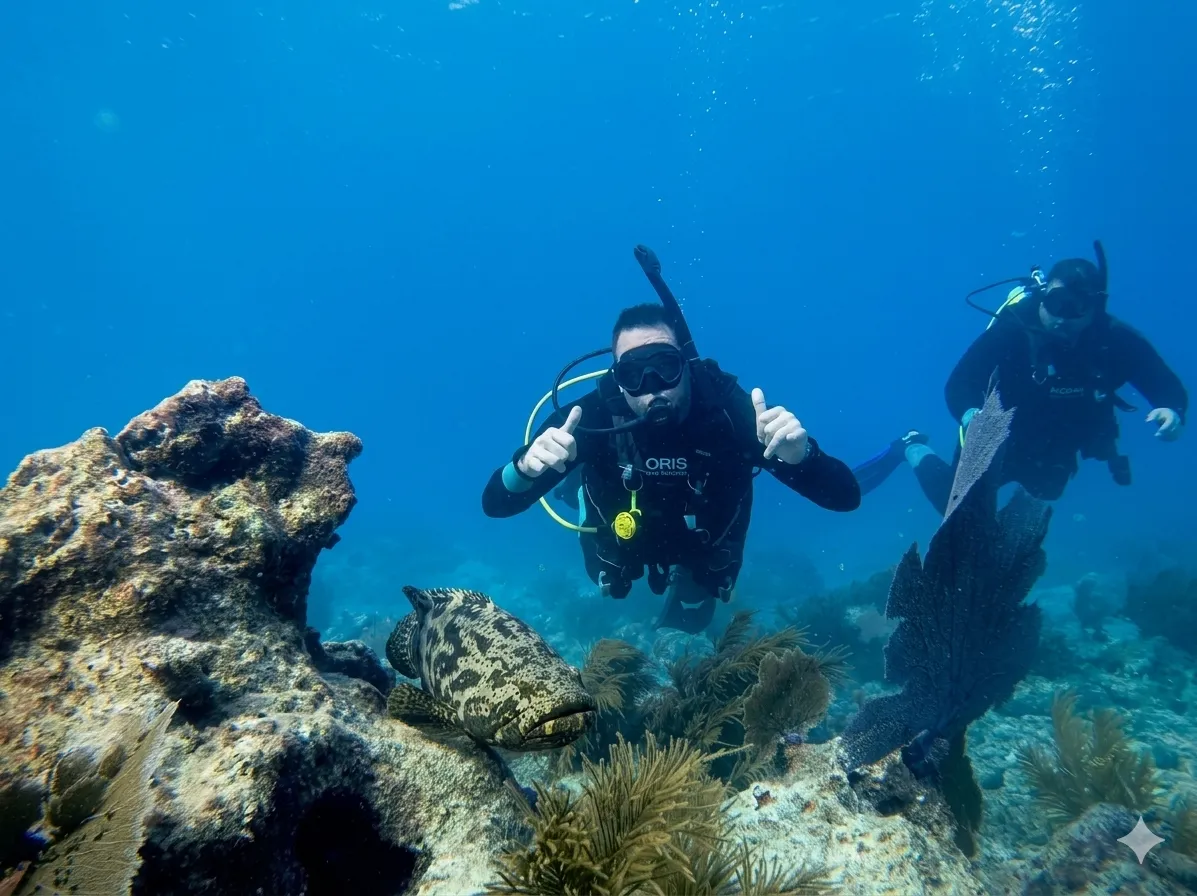
The Magic of Twilight and Evening Waters
The transition from day to night does not happen instantly. The period just before and immediately following sunset offers a unique window to observe the changing shifts in the marine ecosystem, providing divers with a dynamic and visually stunning experience.
Transitioning from Day to Night
One of the best ways to ease into night time scuba diving is by participating in a specialised twilight excursion. In Key Largo, these unique trips typically begin approximately one and a half hours before sunset. As you enter the water during the late afternoon, you are treated to the final rays of sunlight filtering through the ocean surface. This is a period of intense activity on the reef, often referred to as the changing of the guard.
As you continue your dive, the ambient light slowly fades, and the vibrant colours of the daytime reef begin to mute into shades of blue and grey. It is during this gradual darkening that you switch on your underwater torch, officially crossing the threshold into night scuba diving. Experiencing this transition firsthand allows you to witness diurnal fish seeking shelter while nocturnal creatures slowly begin to stir from their daytime hiding spots, offering a complete picture of the reef's daily cycle.
The Thrill of Scuba Diving in the Dark
Once true darkness settles over the ocean, the sensory experience of scuba diving in the dark takes over. Without the wide, panoramic visibility provided by the sun, your entire world shrinks to the focused beam of your dive light. This narrowed field of vision naturally forces you to slow down and concentrate on the intricate details of the coral structures right in front of you.
The water often feels calmer, and the only sounds you hear are the rhythmic bubbles of your own breathing. Because you cannot see the vast expanse of the ocean, the experience is incredibly peaceful and intimate. The beam of your torch restores the true colours of the reef, illuminating sponges and corals in brilliant reds, oranges, and yellows that are usually filtered out by the water column during the day.
Nocturnal Marine Life in the Florida Keys
The primary draw of an evening dive is the dramatic shift in marine life. The Florida Keys National Marine Sanctuary is home to an incredible diversity of species, many of which are rarely seen during daylight hours.
Predators on the Prowl
During a standard daytime excursion, moray eels are usually only spotted with their heads protruding from small holes in the limestone. However, on a night dive, these fascinating creatures leave their dens and swim freely across the open sand and coral ledges in search of prey. Watching a large green moray eel undulate gracefully through the water illuminated by your torch is a spectacular sight.
Similarly, other nocturnal hunters become highly active. The waters around Key Largo are known for sightings of nurse sharks. While these sharks are often seen resting motionless under coral overhangs during the day, darkness triggers their hunting instincts. They actively scour the sandy sea floor and reef crevices searching for crustaceans and small fish. You may also spot predatory barracuda hovering quietly at the edge of your light beam, taking advantage of the illumination to spot their own prey.
Sleeping Giants and Invertebrate Activity
As the predators begin their hunt, the daytime residents of the reef settle down for the night. It is very common to find beautiful sea turtles wedged securely beneath coral ledges, resting peacefully. Parrotfish exhibit one of the most interesting nocturnal behaviours; they secrete a transparent mucous bubble around themselves before sleeping, which scientists believe helps mask their scent from roaming predators like moray eels.
Furthermore, the coral reef itself comes alive. Hard corals, which appear as solid, stony structures during the day, open their polyps in the dark. These tiny tentacles extend into the water column to feed on passing microscopic organisms, giving the reef a soft, fuzzy appearance. This is also the best time to see a wide variety of invertebrates, from marching spiny lobsters to delicate brittle stars, which remain hidden from the sun but thrive in the cover of night.
Preparing for Your Evening Excursion
Entering the water after sunset requires specialised knowledge and an acute awareness of safety protocols. To ensure your time in the dark is relaxing and secure, formal preparation and health readiness are absolutely essential.
Essential Training and Certifications
While holding a standard open water certification allows you to dive during the day, navigating the ocean without natural light requires additional skills. Divers must learn how to communicate using light signals, manage buoyancy without visual references, and handle primary and backup torch failures safely.
For those looking to master these skills, enrolling in formal specialty courses is the perfect pathway. The dedicated Night Diver specialty, which typically includes three dives conducted over several days, provides comprehensive instruction on nocturnal navigation, light handling, and emergency procedures. Completing this training builds immense confidence, ensuring that you are fully prepared to handle the unique conditions of an evening underwater environment.
Health, Safety, and Medical Readiness
Because the visual field is restricted and the reliance on equipment is heightened, ensuring that you are in optimal physical condition is paramount before participating in any evening charter. A calm mindset and good health contribute significantly to a safe and enjoyable dive.
Before undertaking formal training or booking a specialized charter, all participants must ensure they meet the necessary health requirements. Reviewing a standard medical questionnaire is a standard procedural step that verifies you are fit to handle the physical demands of the underwater environment. Additionally, all divers are required to carry a primary dive light and a reliable backup light, as well as an illuminated tank marker, so that buddies and boat crews can easily identify them in the water.
Why Key Largo is the Perfect Destination for Evening Charters
Not all diving destinations are equally suited for evening exploration. The upper Florida Keys provide an exceptional environment that makes nocturnal diving safe, accessible, and highly rewarding for divers of varying experience levels.
Shallow Reefs and Relaxing Conditions
One of the greatest advantages of the Key Largo reef system is its depth profile. Many of the most vibrant coral formations within the marine sanctuary are located in relatively shallow water, typically ranging from 15 to 25 feet in depth. When participating in night diving, shallow water is incredibly beneficial. It allows for extended bottom times, meaning you can spend more time slowly exploring the reef without worrying about approaching strict decompression limits quickly.
Additionally, the shallow nature of these reefs often means milder currents and warmer water temperatures, which greatly enhances diver comfort when the warming rays of the sun are absent.
Navigating with Experienced Professionals
Even in shallow, calm waters, the ocean can be disorienting in the dark. Knowing exactly where the boat is moored and understanding the layout of the coral spurs is crucial for a stress-free experience.
This is where the expertise of local maritime professionals becomes invaluable. Diving alongside seasoned guides ensures that you are in safe hands. Professional guides possess an intimate knowledge of the local reef systems. They know exactly where to find sleeping turtles, active lobsters, and hidden octopuses. Furthermore, a dedicated guide manages the underwater navigation, ensuring that the group returns safely to the vessel's boarding ladder at the end of the excursion, allowing you to focus entirely on the incredible nocturnal sights.
Experience the Reef with Sea Dwellers Dive Center
When planning an after-dark adventure, selecting an operator with a proven track record of safety, professionalism, and local expertise is the most important decision you can make. With over 50 years of experience operating in the Florida Keys, Sea Dwellers Dive Center stands as a premier PADI 5-Star facility dedicated to delivering exceptional underwater experiences.
Rather than packing guests onto high-volume boats, the company focuses on a boutique, comfortable approach. Their spacious, purpose-built vessels, such as the Sea Dweller and Sea Dweller III, feature wide beams, stability, and covered shaded areas that make gearing up in the evening a breeze. For those eager to experience the transition of the reef, their specialised twilight scuba trips offer the perfect opportunity. Departing approximately 1.5 hours before sunset on select days, these guided excursions provide a seamless journey from the fading daylight into the thrilling darkness. To learn more about their rich local history, professional crew, and comprehensive charter offerings, please visit the Sea Dwellers Dive Center home page and discover why they are the trusted choice for exploring the Florida Keys National Marine Sanctuary.
Conclusion
A Key Largo night dive is a remarkable journey into a hidden world. The moment you switch on your dive light and watch the nocturnal marine life emerge from the shadows, you gain a profound new appreciation for the complexity of the ocean ecosystem. From the thrill of spotting a free-swimming moray eel to the peaceful sight of a sleeping sea turtle, exploring the reef after sunset is an adventure that every certified diver should experience. By ensuring you have the proper training, carrying reliable illumination equipment, and partnering with highly experienced local professionals, you guarantee an excursion that is as safe as it is breathtaking. The nocturnal wonders of the Florida Keys are waiting to be illuminated. Review the current twilight and evening charter availability, check your schedule, and Book Now to secure your spot on an unforgettable after-dark ocean journey.
Frequently Asked Questions (FAQs)
1. What time does a twilight dive usually begin in Key Largo?
Twilight scuba trips are specifically timed to capture the transition from day to night. They typically depart the dock approximately 1.5 hours before sunset. This allows divers to enter the water in the late afternoon daylight and finish the excursion in the dark.
2. What kind of marine life is most active on a night dive?
After dark, the reef is dominated by nocturnal hunters and invertebrates. Divers frequently encounter nurse sharks, moray eels swimming out in the open, spiny lobsters, octopuses, and various species of crabs that remain hidden during the day.
3. Do I need to bring my own dive lights?
While having your own personal dive lights is always beneficial for familiarity, professional dive centres offer high-quality primary and backup torches for rent. It is mandatory for every diver to have a primary light, a backup light, and an illuminated tank marker for safety.
4. Is night diving suitable for someone who just got certified?
While newly certified Open Water divers can technically dive at night, it is highly recommended to complete a few standard daytime dives first to build perfect buoyancy control. Enrolling in a formal Night Diver specialty course is the best and safest way to learn the specific skills required for dark-water exploration.
5. How long do evening dives usually last?
Because the coral reefs in the Florida Keys National Marine Sanctuary are relatively shallow, air consumption is often better, and bottom times can be quite generous. Depending on individual air usage and the specific site, a single dive typically lasts between 45 and 60 minutes.
%2F%2Fguide_websites%2F57922%2Fimages%2F1778714461261scuba-diving-key-largo11.png&w=1920&q=75)
%2F%2Fguide_websites%2F57922%2Fimages%2F1778717442833snorkeling-trip-key-largo.jpg&w=1920&q=75)
%2F%2Fguide_websites%2F57922%2Fimages%2F1778714920633scuba-diving-key-largo44.png&w=1920&q=75)