/filters:format(jpeg,png)/fit-in/300x300/guide_websites/57922/images/1780545651973sea_dwellers_transparent_lockup.png)
/filters:format(jpeg,png)/fit-in/237x80/guide_websites/57922/images/1780545651973sea_dwellers_transparent_lockup.png)
John Pennekamp Snorkeling: Reef Spots, What to Expect & Planning Tips
%2Ffit-in%2F1000x1000%2Ffilters%3Aformat(webp)%2Fguide_websites%2F57922%2Fimages%2F1778721561635snorkeling-in-key-largo.jpg&w=1920&q=75)
Published: September 9, 2026
Floating effortlessly atop warm, turquoise ocean water while watching a bustling marine world unfold beneath you is one of the most serene experiences in outdoor travel. Off the coast of Key Largo, Florida, lies a shallow underwater marine sanctuary containing living coral heads, waving sea fans, and bright tropical fish. Established to safeguard these delicate coastal marine habitats, the sanctuary preserves miles of healthy living reef structures accessible to water lovers of all skill levels. For travellers eager to immerse themselves in this aquatic environment, taking part in John Pennekamp snorkeling offers an up-close look at an underwater city thriving in clear, sunlit waters.
While the prospect of floating over shallow reefs is exciting, proper preparation ensures your ocean outing is comfortable, safe, and truly memorable. Knowing where the best reef sites are located, what equipment you will need, how weather conditions affect water visibility, and what marine species you might encounter will elevate your adventure. This comprehensive guide covers everything you need to know before stepping onto the boat, from iconic reef structures to practical trip preparation advice for your upper Florida Keys holiday.
Understanding John C Pennekamp Coral Reef State Park
To fully appreciate your marine excursion, it helps to understand why this protected ocean sanctuary exists. Named in honour of John C Pennekamp, an influential Miami newspaper editor who fought tirelessly alongside marine scientists in the mid-twentieth century, this public space was established to halt the destruction of delicate coral systems caused by commercial harvesting and anchoring.
The Preservation of the Florida Reef Tract
Spanning 70 square nautical miles of coastal marine habitats, Pennekamp park encompasses mangrove estuaries, shallow seagrass beds, and extensive outer coral reef structures. It holds a permanent place in environmental history as the very first underwater park created in the United States. Today, strict management rules, protected sanctuary status, and fixed mooring buoys safeguard the living coral colonies from anchor damage, allowing marine life to flourish.
The living coral formations found here are part of the third-largest barrier reef system in the world. As a result, when you step out onto the water, you enter a protected sanctuary where corals can grow undisturbed, providing food, shelter, and breeding grounds for hundreds of species of tropical fish, invertebrates, and larger sea creatures.
Marine Life Encounters on Shallow Patch Reefs
Because the marine sanctuary covers such a healthy ecosystem, in-water visitors are treated to an astonishing variety of aquatic wildlife. Floating on the ocean surface above the shallow Pennekamp reef tract allows you to look directly down into complex limestone structures brimming with activity.
It is common to see parrotfish nibbling at algae, blue tangs moving in tight schools across the seabed, and curious sergeant majors swimming near the surface. Looking down into sandy grooves, you might spot graceful eagle rays gliding across the seafloor or nurse sharks resting peacefully beneath coral ledges. The incredible biodiversity found within the protected boundary makes every excursion feel like swimming inside a natural ocean aquarium.
Top Reef Spots for Pennekamp Snorkelers
The marine preserve covers a vast expanse of open ocean, within which lie several distinct reef sites. Each location features its own unique depth profile, marine species density, and underwater landscape.
Key Largo Dry Rocks and Christ of the Abyss
Without question, the most iconic destination within the marine preserve is Key Largo Dry Rocks. This shallow coral reef is world-famous for housing the Christ of the Abyss, a bronze statue standing eight feet tall in roughly twenty-five feet of water. The statue’s arms reach upward toward the ocean surface, creating a stunning visual display for surface floaters looking down through clear water.
Because the coral surrounding the sculpture rises to within eight to ten feet of the surface, surface swimmers enjoy fantastic visibility of the statue and the marine life surrounding its pedestal. Bright sunbeams slice through the water column, illuminating yellowtail snapper, angelfish, and delicate soft corals growing on the sculpture base.
Grecian Rocks and Shallow Coral Gardens
For those seeking calm, protected waters with minimal current, Grecian Rocks is widely considered one of the finest sites for surface floaters. This crescent-shaped patch reef acts as a natural breakwater, resulting in serene surface conditions even when open ocean waters are slightly choppy.
Depths at Grecian Rocks range from just three to fifteen feet, allowing you to observe intricate details of brain coral, star coral, and sea fans without needing to submerge deeply. The shallow depth also means natural sunlight fully saturates the environment, bringing out the rich gold, green, and purple hues of the living reef structure.
Sea Gardens and Molasses Reef Boundaries
Other popular locations across the sanctuary include Sea Gardens and the shallow spur-and-groove formations along the edges of Molasses Reef. Sea Gardens features massive stands of soft gorgonians and sea whips that sway rhythmically with the movement of the ocean swell.
These shallow habitats serve as important nursery grounds for juvenile reef fish, spiny lobsters, and young sea turtles. Floating quietly over these shallow habitats gives you a close look at the intricate relationships that keep coastal ecosystems healthy and thriving.
Comparing Surface Floating and Deep Water Submersion
When planning your ocean outing, you might wonder whether surface swimming or fully submerged exploration is the best fit for your trip. Both activities allow you to enjoy the marine sanctuary, but they offer different perspectives and physical experiences.
The In-Water Experience: Snorkeling vs Scuba
Taking part in a Pennekamp snorkel tour offers an accessible, low-barrier way to experience the reef. It requires minimal gear, short instruction, and is suitable for individuals of almost any fitness level. You simply float on the surface, look downward, and breathe easily through your tube.
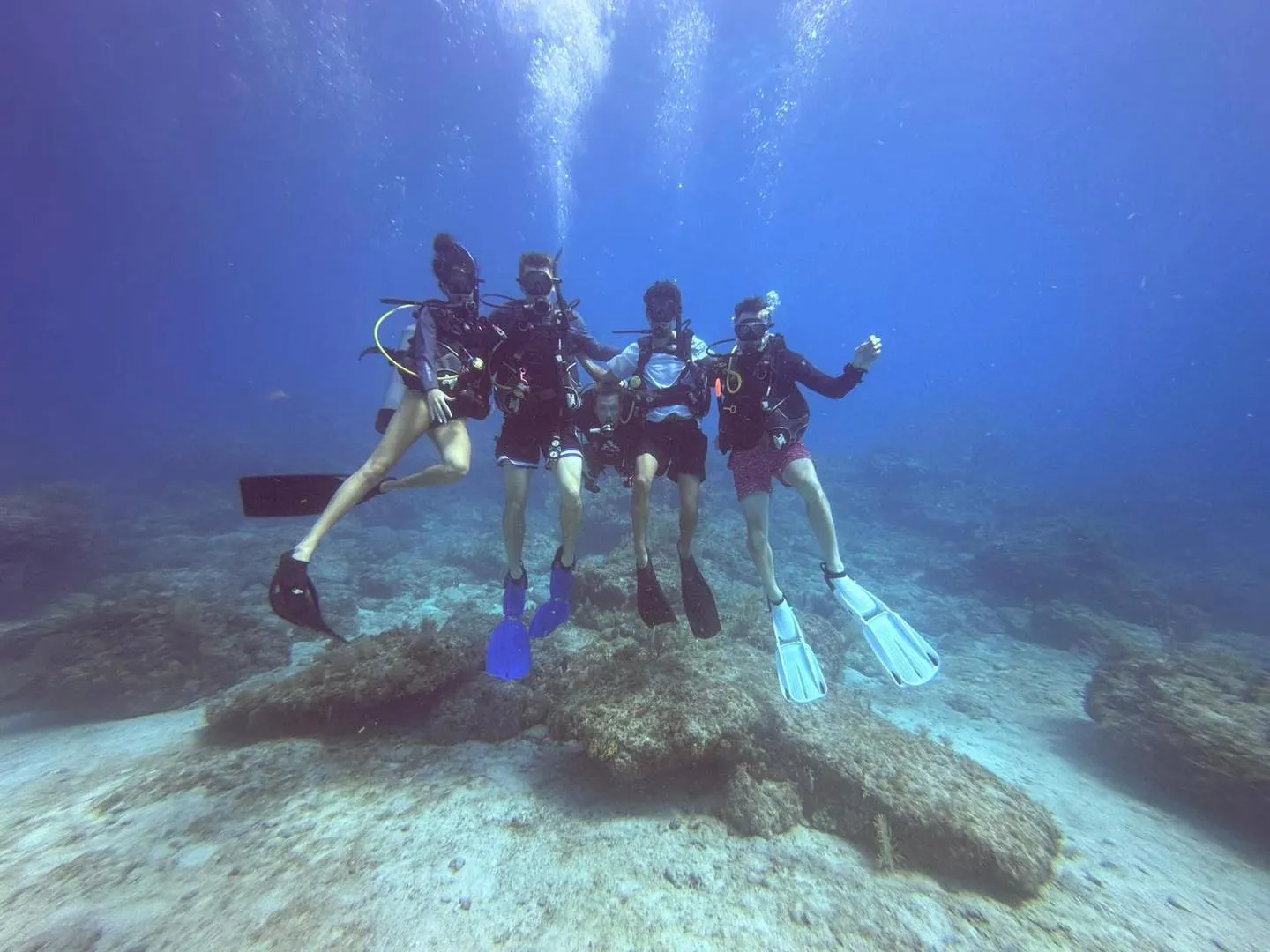
In contrast, choosing Pennekamp scuba allows you to submerge into the water column, moving weightlessly alongside fish and hovering at eye level with deep coral ledges. While surface floating lets you look at the underwater realm like a painting, submerged diving makes you feel like an active inhabitant of that world. If you find yourself wanting to go deeper after a surface excursion, taking a Discover Scuba Diving course allows beginners to try breathing underwater under professional guidance without committing to a full multi-day course.
Gear, Preparation, and Accessibility Differences
The equipment requirements for surface floating are light and simple: a well-fitting mask, a snorkel, a comfortable flotation vest, and fins. This lightweight setup makes surface trips particularly appealing to families with children or travellers short on time.
On the other hand, Pennekamp scuba diving requires a higher level of gear management, including buoyancy control devices, air regulators, weight systems, and formal certification or instruction. For certified explorers looking to advance their underwater skills, taking specialty courses opens up new opportunities like wreck exploration and deep water navigation. However, for a relaxing half-day outing, surface floating remains one of the most accessible choices available.
Planning Tips for an Unforgettable Reef Trip
To ensure your day on the water goes smoothly, taking a few practical preparation steps beforehand will help avoid common pitfalls and make your excursion completely stress-free.
Understanding Seasons, Weather, and Visibility
The sub-tropical climate of the upper Florida Keys permits ocean excursions year-round, but conditions shift with the seasons. The summer months, spanning June through September, feature warm water temperatures around 28 degrees Celsius, calm seas, and exceptional water clarity. These glassy summer days offer ideal conditions for surface floating and underwater photography.
During the winter months, from December through March, passing weather fronts can bring cooler breezes and slight surface chop. While water clarity remains good, water temperatures dip slightly to around 22 to 24 degrees Celsius. Wearing a thin neoprene wetsuit or thermal rash guard keeps you comfortable in the water during these cooler months. Checking local marine forecasts before heading out ensures you pick the best day for your trip.
Gear Selection, Fitting, and Safety Essentials
Having properly fitted gear is crucial for an enjoyable time in the water. A fogged or leaking mask can quickly ruin a trip. Before leaving the boat, test your mask seal by pressing it gently against your face without using the strap; if it stays in place when you inhale lightly through your nose, you have a watertight fit.
Safety should always come first when floating on the open sea:
- Always wear an approved inflatable flotation vest so you can rest comfortably on the surface whenever needed.
- Apply reef-safe sunscreen well before entering the water to protect your skin without harming delicate corals with harsh chemicals.
- Maintain complete awareness of your surroundings, staying within reasonable distance of your boat and avoiding touching or standing on living coral heads.
- Keep your fins up near the surface to prevent kicking up sand or striking delicate marine growth.
Before heading out on any active ocean excursion, it is always wise to review standard health recommendations. Reviewing a basic medical questionnaire ensures you are physically prepared for outdoor water activities. Additionally, hiring professional guides on your boat excursion adds an extra layer of safety, as experienced ocean professionals can lead you to the best coral formations and spot hidden marine life for you.
Choose a Legacy Operator for Your Ocean Excursion
Selecting the right charter company to guide your outing is just as important as choosing the right reef site. While high-volume commercial tour boats carry large crowds out to the water every day, choosing a local, boutique dive shop delivers a far more relaxed, high-quality experience. You deserve personalized attention, comfortable boat amenities, and unhurried time on the water.
Established operators in Key Largo focus on smaller group sizes, spacious boats, and flexible schedules. Rather than rushing guests through brief visits, premier facilities provide unhurried pool-open time at every reef location. This unhurried pace allows you to take your time adjusting your mask, swimming alongside turtles, and taking photos without feeling crowded. To learn more about daily charters, expert safety protocols, and personalized boat outings, visit Sea Dwellers Dive Center to start organizing your ocean adventure.
Conclusion
Exploring the shallow coral reef spots off Key Largo provides an incredible window into one of the world's most impressive marine habitats. From historic milestones like the Christ of the Abyss at Key Largo Dry Rocks to the quiet shallow coral gardens of Grecian Rocks, the marine sanctuary offers magnificent underwater sights for water lovers of all ages. By selecting the right gear, understanding seasonal conditions, practicing reef-safe habits, and adventuring with a dedicated local dive shop, you set the stage for a safe, educational, and truly memorable ocean excursion. The vibrant coral heads, warm ocean water, and abundant tropical sea life are ready for your arrival. Check available tour dates, select your preferred excursion times, and Book Now to secure your spot on an exceptional ocean trip today.
Frequently Asked Questions (FAQs)
1. How far offshore are the primary reef spots located?
The major shallow coral reef locations within the marine preserve are situated roughly 5 to 7 miles off the coast of Key Largo. Reaching these offshore coral gardens takes approximately 30 to 45 minutes by boat, depending on vessel speed and sea conditions.
2. Can non-swimmers or beginners participate in reef surface floating?
Yes, beginners can enjoy floating over shallow reefs. Participants are provided with inflatable flotation vests that keep them effortlessly buoyant on the surface. However, having basic comfort in open water and knowing how to kick with fins is recommended for the best experience.
3. What is the average water depth at popular floating locations?
Most popular surface locations, such as Grecian Rocks and Key Largo Dry Rocks, feature depths ranging from 5 to 25 feet (1.5 to 7.5 metres). These shallow depths allow surface floaters to see coral heads and tropical fish clearly.
4. Are wetsuits necessary for floating over shallow reefs?
During the summer months when water temperatures reach 28 degrees Celsius, wetsuits are generally unnecessary. However, during the winter and early spring, wearing a 3mm wetsuit or neoprene top helps maintain body heat and provides protection against minor sun exposure.
5. What is the difference between inner patch reefs and outer barrier reefs?
Inner patch reefs are located closer to land in calmer, shallower water, featuring massive brain and star corals with quiet surface conditions. Outer barrier reefs sit farther offshore along the ocean drop-off, featuring spur-and-groove structures, higher wave action, and larger pelagic marine species.
%2F%2Fguide_websites%2F57922%2Fimages%2F1778714461261scuba-diving-key-largo11.png&w=1920&q=75)
%2F%2Fguide_websites%2F57922%2Fimages%2F1778717442833snorkeling-trip-key-largo.jpg&w=1920&q=75)
%2F%2Fguide_websites%2F57922%2Fimages%2F1778714920633scuba-diving-key-largo44.png&w=1920&q=75)