/filters:format(jpeg,png)/fit-in/300x300/guide_websites/57922/images/1780545651973sea_dwellers_transparent_lockup.png)
/filters:format(jpeg,png)/fit-in/237x80/guide_websites/57922/images/1780545651973sea_dwellers_transparent_lockup.png)
John Pennekamp Scuba Diving: What to Know Before You Dive at Pennekamp Park
%2Ffit-in%2F1000x1000%2Ffilters%3Aformat(webp)%2Fguide_websites%2F57922%2Fimages%2F1778721561635snorkeling-in-key-largo.jpg&w=1920&q=75)
Published: September 9, 2026
The underwater world of the Florida Keys holds an almost mythical status among ocean enthusiasts, marine biologists, and holidaymakers worldwide. Stretching along the edge of the continental shelf, the shallow coral barrier reef off the coast of Key Largo represents one of the most vibrant marine ecosystems on Earth. At the very centre of this aquatic paradise is the nation's first underwater park, a protected sanctuary established to safeguard fragile coral formations and historic shipwrecks for future generations. For anyone looking to explore this submerged paradise, taking part in John Pennekamp scuba diving offers an intimate look at an underwater landscape overflowing with colourful marine life, dramatic coral spurs, and fascinating maritime history.
Whether you are a seasoned underwater explorer with hundreds of logged descents or a curious holidaymaker looking to try breathing underwater for the very first time, visiting Pennekamp park is an experience unlike any other. However, embarking on an ocean excursion into a protected sanctuary requires thoughtful preparation, an understanding of the local aquatic environment, and knowledge of what makes these waters so unique. This guide covers everything you need to know before stepping aboard a charter boat, from the historical origins of the preserve to its legendary dive sites, environmental conditions, and essential safety considerations.
The Legacy of John C Pennekamp Coral Reef State Park
Understanding the environmental significance of this aquatic haven begins with its rich history. The park owes its existence to a dedicated group of early conservationists who foresaw the catastrophic destruction of the local living coral tracts long before marine conservation became a mainstream movement.
History and Conservation Milestones
During the early decades of the twentieth century, the delicate coral formations off the upper Florida Keys faced severe threats from commercial shell collectors, souvenir hunters, and unregulated coastal activities. Large chunks of ancient brain coral and branching staghorn were routinely broken apart using crowbars to sell in gift shops along the highway. Recognising that the region's precious natural beauty was on the verge of irreversible ruin, John C Pennekamp, a prominent newspaper editor, teamed up with marine biologist Dr Gilbert Voss to launch an ambitious public awareness campaign.
Their advocacy reached the highest levels of government. In 1960, President Dwight D. Eisenhower designated the offshore waters as the Key Largo Coral Reef Preserve. Shortly afterwards, the state of Florida assumed management of the adjacent nearshore waters, officially creating John Pennekamp Coral Reef State Park. This historic victory marked the creation of the first underwater park in the United States, establishing a legal framework for marine protection that would later inspire sanctuary conservation efforts across the globe.
Protecting the Florida Keys Barrier Reef
Spanning roughly 70 square nautical miles, the park encompasses a diverse mosaic of coastal habitats, ranging from dense mangrove estuaries to shallow patch reefs and extensive outer barrier tracts. Through strict park regulations, anchoring restrictions, and public education, the living corals are shielded from human disturbance. The establishment of permanent mooring buoys throughout the marine sanctuary has eliminated the devastating impact of heavy boat anchors, allowing the delicate limestone architecture of the reef to remain intact.
Today, the protected waters serve as a vital nursery for hundreds of species of tropical fish, invertebrates, and pelagic animals. The success of this marine sanctuary demonstrates how proactive environmental policies can restore marine habitats, ensuring that visitors today can witness the same awe-inspiring underwater beauty that captivated early conservationists decades ago.
Iconic Dive Sites Within the Marine Sanctuary
The expanse of water encompassed by the park contains a wide array of distinct dive sites, each offering unique underwater structures, depth ranges, and marine life encounters. The diversity of the topography ensures that every descent yields new discoveries.
Christ of the Abyss at Key Largo Dry Rocks
Perhaps the most famous underwater landmark in the entire region is the iconic Christ of the Abyss statue, situated at Key Largo Dry Rocks. Standing eight feet tall and submerged in approximately eight metres of water, this bronze sculpture rests on a concrete base amidst vibrant coral formations. Donated to the Underwater Society of America by Italian sport manufacturer Egidio Cressi, the statue is a replica of the original sculpture located in the Mediterranean Sea near San Fruttuoso.
The hands of the statue reach upward toward the surface, creating a dramatic visual setting for underwater photographers. Surrounded by swirling schools of yellowtail snapper, blue tangs, and sergeant majors, the site is accessible to both shallow divers and surface swimmers. Because the reef surrounding the statue is relatively shallow, sunbeams cut through the clear water, illuminating the bronze patina and the soft corals that encrust its pedestal.
Molasses Reef and Shallow Coral Gardens
For those seeking sheer biological density, Molasses Reef is widely considered the crown jewel of the local marine preserve. Featuring a classical spur-and-groove reef architecture—where high ridges of living coral are separated by sandy channels—Molasses Reef offers exceptional clarity and an incredible abundance of marine life. Depths here range from 3 to 14 metres, making it an idyllic location for long, unhurried bottom times.
As you glide along the sand channels, it is common to encounter massive spotted eagle rays, friendly nurse sharks resting beneath coral ledges, and sea turtles quietly grazing on sea sponges. The shallow nature of the reef ensures that natural sunlight saturates the underwater landscape, allowing the brilliant greens, purples, and golds of the coral heads to shine without the need for heavy artificial lighting.
Historic Wrecks and Deeper Explorations
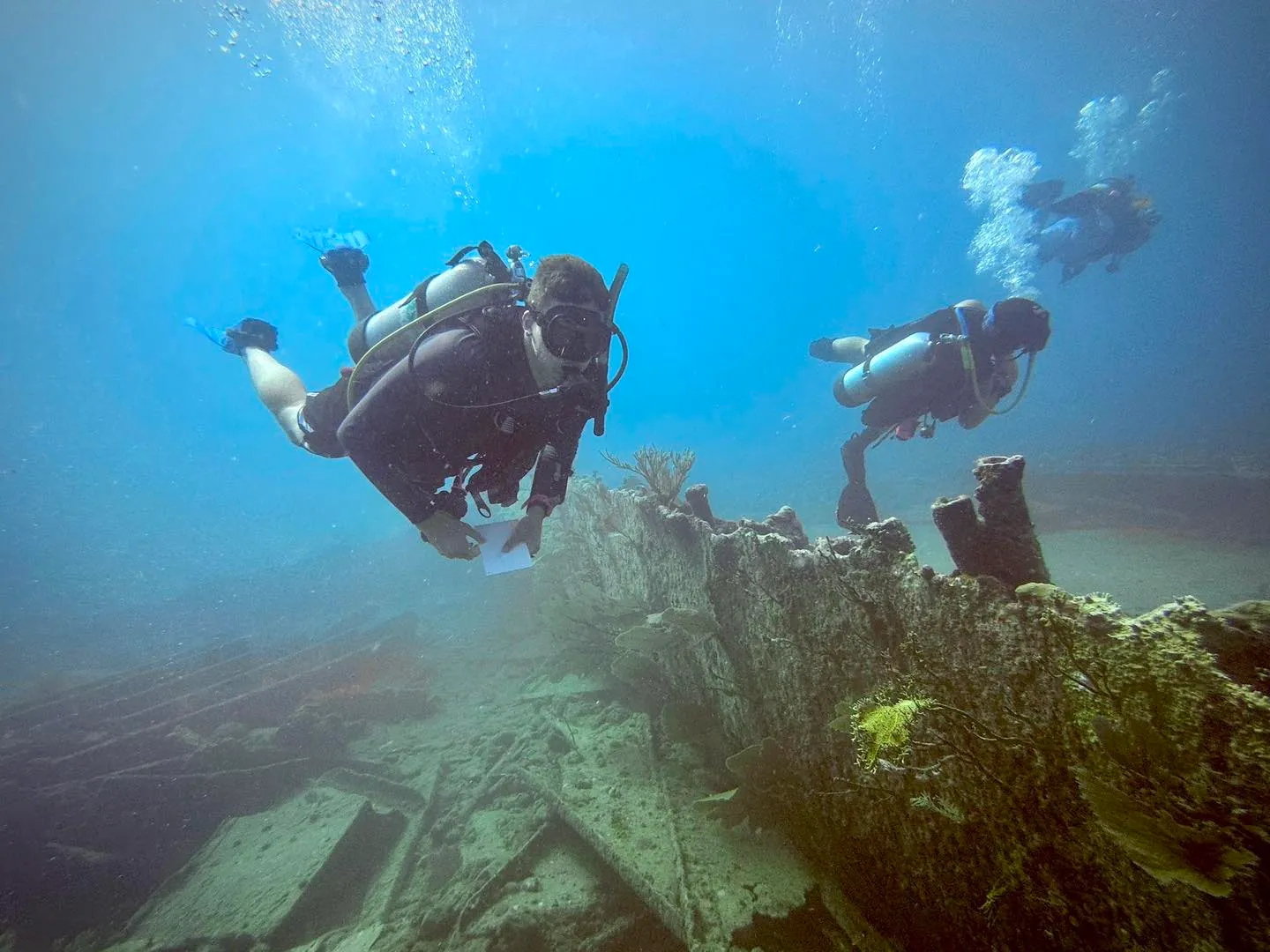
Beyond the shallow coral fingers, the marine sanctuary harbours intriguing historical wrecks that offer a glimpse into the region's rich maritime past. One of the most popular wreck sites within the preserve boundaries is the USS Benwood, a Dutch-built merchant freighter that sank in 1942 following a collision with another vessel during wartime blackout conditions.
Lying in roughly 8 to 14 metres of water, the broken hull of the Benwood has transformed over the decades into a flourishing artificial reef. Moray eels peek out from twisted metal plates, while large schools of grunts and porkfish seek shelter inside the open superstructure. For those interested in expanding their capabilities to explore deeper wrecks or specialised environments, taking formal specialty courses allows divers to master underwater navigation, wreck exploration techniques, and deep buoyancy control under professional supervision.
Comparing Pennekamp Scuba Diving and Pennekamp Snorkeling
When planning your day on the water, one of the primary decisions you will face is deciding how you wish to experience the underwater world. Both surface floating and fully submerged exploration are extremely popular activities within the park, but they offer distinct perspectives on the marine environment.
The In-Water Experience for Divers vs Snorkelers
Choosing between Pennekamp snorkeling and full underwater diving depends largely on your personal comfort level, certification background, and what you hope to gain from your time in the water. Participating in a Pennekamp snorkel excursion is an accessible, family-friendly option that requires minimal equipment. Floating on the surface with a mask, snorkel, and fins allows non-divers to look down upon the coral heads and watch the marine life below.
However, surface swimmers are fundamentally limited to observing the underwater world from above. In contrast, choosing Pennekamp scuba allows you to submerge fully, becoming an active participant in the marine realm. Diving grants you the freedom to hover at eye level with parrotfish, peer inside dark coral crevices, and move weightlessly through three-dimensional space. The peaceful sensation of breathing continuously underwater provides a level of immersion that surface swimming simply cannot match.
Depth, Bottom Time, and Marine Life Visibility
Another key distinction lies in the duration and physical closeness of your encounters. While a Pennekamp snorkel participant must hold their breath to take a brief look at deeper features, a diver equipped with a tank can hover comfortably near the seabed for up to an hour. This extended bottom time allows for much closer observation of subtle animal behaviours, such as cleaning stations where tiny shrimp remove parasites from larger fish.
Furthermore, while shallow sites like Grecian Rocks are wonderful for surface floating, deeper sites and wreck structures are best appreciated while submerged. Experiencing Pennekamp scuba diving gives you access to a broader selection of dive locations, ensuring that you can explore both shallow coral gardens and deeper artificial reefs during your holiday.
Essential Tips Before Planning Your Diving Expedition
To ensure a smooth, safe, and memorable excursion, proper preparation is essential. Understanding seasonal weather patterns, gear requirements, and educational opportunities will help you maximise your time on the water.
Weather Conditions, Visibility, and Seasons
The sub-tropical climate of the upper Florida Keys allows for year-round ocean activities, but conditions do vary between seasons. The summer months, running from June through September, typically bring the calmest seas, warm water temperatures hovering around 28 degrees Celsius, and exceptional underwater visibility often exceeding 20 metres. These warm, glassy conditions are ideal for beginners and photography enthusiasts alike.
During the winter months, from December through March, passing cold fronts can occasionally bring wind and surface chop. However, water temperatures remain comfortable, generally staying around 22 to 24 degrees Celsius, which is easily managed with a standard 3mm or 5mm wetsuit. Regardless of the season, checking local marine forecasts and working with an experienced operator ensures that your boat trip is scheduled during the best possible weather window.
Choosing the Right Educational Path and Guided Excursions
If you are not yet a certified diver, visiting Pennekamp reef presents the perfect opportunity to learn. Enrolling in an entry-level programme, such as a Discover Scuba Diving course, allows beginners to learn fundamental safety skills in shallow water under the direct supervision of an instructor before embarking on an ocean reef tour on the exact same day.
For certified divers who want to make the most of their charter, hiring professional guides is highly recommended. Experienced dive guides possess intimate knowledge of local underwater topography, current patterns, and secret marine habitats. They can lead you directly to hidden marine life, such as well-camouflaged seahorses or sleeping nurse sharks, while managing underwater navigation so you can relax and focus on the scenery.
Experience the Sanctuary with Legacy Diving Professionals
Selecting the right dive centre to guide your aquatic adventure is just as important as choosing the destination itself. While large, high-capacity operations take hundreds of tourists out each day, choosing a boutique, customer-first operator elevates your holiday from a routine tour to a personalised, world-class experience. You deserve a stress-free environment where your safety, comfort, and enjoyment are the top priorities.
Legacy operators in Key Largo focus on smaller group sizes, spacious vessels, and an unhurried approach to underwater exploration. Rather than rushing guests through abbreviated schedules, quality facilities offer generous 65-minute bottom times on shallow reef charters. This relaxed schedule gives you ample time to explore the coral heads, capture stunning photographs, and enjoy the calming rhythm of the ocean. To explore charter availability, learn about experienced instructional staff, and discover comprehensive dive packages, visit Sea Dwellers Dive Center to start planning your dream aquatic holiday.
Conclusion
Exploring the submerged wonders of the nation's first underwater state park is an unforgettable milestone for any diver or ocean lover. From the historic conservation legacy established by early visionaries to the shimmering bronze beauty of the Christ of the Abyss statue and the biological richness of Molasses Reef, the marine sanctuary offers a world-class playground beneath the waves. By taking the time to understand the local marine conditions, selecting the right underwater activity for your skill level, and choosing an experienced, customer-focused operator, you ensure that your trip to the Florida Keys will be safe, educational, and deeply inspiring. The pristine coral tracts and abundant marine life are waiting for you to discover their magic. Review charter schedules, pick your ideal dates, and Book Now to reserve your spot on an exceptional ocean charter today.
Frequently Asked Questions (FAQs)
1. Do I need a dive certification to explore the reefs in Pennekamp park?
You do not necessarily need a full certification to experience the water. Non-divers can participate in guided surface swimming excursions or enroll in introductory breathing courses, such as a Discover Scuba session, which allows beginners to explore shallow reefs alongside a certified instructor.
2. How deep are the dive sites within the marine sanctuary?
The majority of the popular coral reef sites within the preserve are remarkably shallow, ranging between 4.5 and 9 metres in depth. This shallow environment offers excellent natural lighting, warm water, and long, relaxing bottom times for divers of all experience levels.
3. What is the underwater visibility like at the offshore reefs?
Visibility varies depending on wind and weather conditions, but it generally ranges between 12 and 25 metres. Summer months typically offer the calmest seas and clearest water, providing optimal conditions for underwater photography and marine observation.
4. Is the Christ of the Abyss statue accessible to both divers and surface swimmers?
Yes, because the statue rests in roughly 8 metres of water with its hands reaching upward toward the surface, it is clearly visible to both surface floaters equipped with a mask and snorkel and fully submerged divers exploring the base of the sculpture.
5. What marine life can I expect to see during a typical reef trip?
Visitors frequently encounter a diverse array of sea life, including sea turtles, nurse sharks, spotted eagle rays, barracuda, moray eels, and vast schools of tropical fish such as parrotfish, French angelfish, and yellowtail snapper living among the vibrant coral heads.
%2F%2Fguide_websites%2F57922%2Fimages%2F1778714461261scuba-diving-key-largo11.png&w=1920&q=75)
%2F%2Fguide_websites%2F57922%2Fimages%2F1778717442833snorkeling-trip-key-largo.jpg&w=1920&q=75)
%2F%2Fguide_websites%2F57922%2Fimages%2F1778714920633scuba-diving-key-largo44.png&w=1920&q=75)