/filters:format(jpeg,png)/fit-in/300x300/guide_websites/57922/images/1780545651973sea_dwellers_transparent_lockup.png)
/filters:format(jpeg,png)/fit-in/237x80/guide_websites/57922/images/1780545651973sea_dwellers_transparent_lockup.png)
Florida Lobster Mini-Season 2026: Dates, Rules & Key Largo Diving Guide
%2Ffit-in%2F1000x1000%2Ffilters%3Aformat(webp)%2Fguide_websites%2F57922%2Fimages%2F1778721561635snorkeling-in-key-largo.jpg&w=1920&q=75)
Published: July 29, 2026
Florida Lobster Mini-Season is one of the most anticipated events for recreational divers visiting the Florida Keys. Every summer, thousands of divers head to Key Largo in search of spiny lobster. The two-day event offers a unique opportunity to enjoy underwater exploration while harvesting lobster within Florida's regulations. Planning ahead, understanding the current rules, and preparing for busy conditions are all important steps toward having a safe and enjoyable experience on the water.
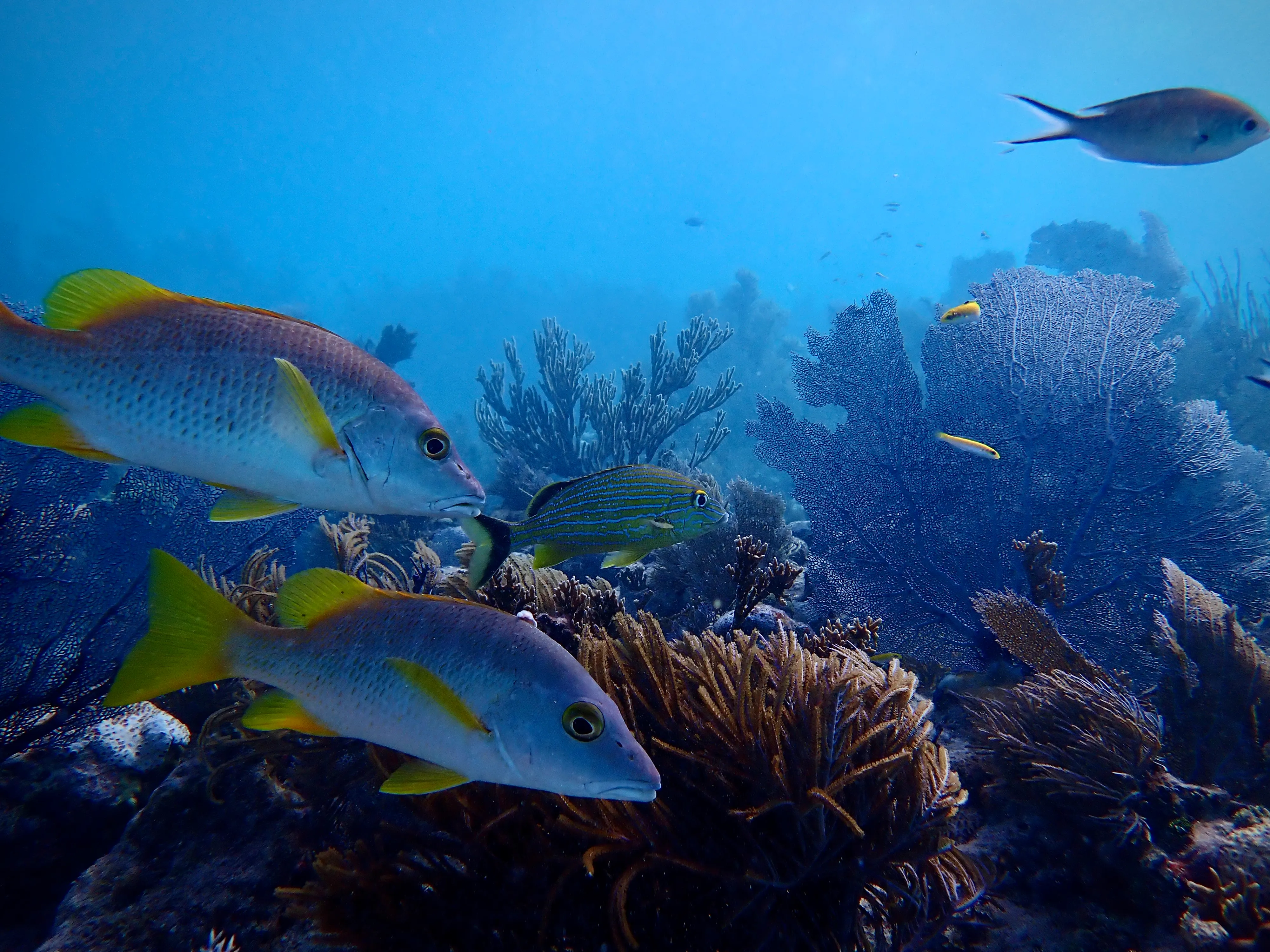
When Is the Florida Lobster Mini-Season in 2026?
The Florida Lobster Mini-Season always takes place during the last consecutive Wednesday and Thursday of July, giving recreational divers a dedicated opportunity to harvest spiny lobster before the commercial season opens.
Official Mini-Season Dates
The Florida Lobster Mini-Season follows a fixed annual schedule, making it easier for divers to plan their trips well in advance.
- Season Dates
- Wednesday, July 29, 2026
- Thursday, July 30, 2026
- Opening Time
- Begins at 12:01 AM on Wednesday, July 29, 2026.
- Closing Time
- Ends at 11:59 PM on Thursday, July 30, 2026.
- Total Duration
- Recreational divers have two full days to harvest Florida spiny lobster.
What Happens After Mini-Season?
Once mini-season ends, recreational lobster harvesting pauses until the regular season begins. In 2026, Florida's commercial spiny lobster season opens on August 6, 2026.
Whether you're visiting for the first time or returning for another summer adventure, planning your trip with experienced Key Largo dive guides can help you make the most of this busy diving event.
Florida Lobster Mini-Season Rules Every Diver Should Know
Following Florida's regulations is essential during mini-season. Conservation rules protect the lobster population while helping ensure a safe and enjoyable experience for everyone on the water. Before entering the water, take time to review the current Florida lobster regulations so you understand the legal requirements that apply throughout the season.
Licenses and Permits
- Every recreational harvester must carry a valid Florida Saltwater Fishing License unless exempt.
- A Florida Spiny Lobster Permit is also required before harvesting lobster.
Daily Bag Limits
- Monroe County, including Key Largo, and Biscayne National Park: Maximum of 6 lobsters per person, per day.
- Rest of Florida: Maximum of 12 lobsters per person, per day.
Minimum Size Requirement
- The lobster's carapace must measure more than 3 inches.
- The measurement must be taken while the lobster remains in the water using a standard measuring gauge.
Activities That Are Not Allowed
- Harvesting egg-bearing female lobsters is strictly prohibited.
- Night diving for lobster is not permitted in Monroe County during mini-season.
- Piercing, spearing, or hooking lobsters is illegal. Lobsters may only be collected using approved methods such as a net and tickle stick.
Choosing the Right Dive Sites Around Key Largo
Finding lobster isn't only about searching harder. Choosing habitat where lobsters naturally shelter during the day often improves your chances while reducing unnecessary time underwater.
Patch Reefs
Patch reefs contain numerous holes, ledges, and rocky crevices where spiny lobster commonly hide during daylight hours before becoming more active after sunset.
Coral Formations
Healthy reef systems create natural shelter for marine life and provide many of the protected spaces that lobster use throughout the season. Divers should always maintain proper distance from delicate Coral Reef habitats and avoid unnecessary contact while searching around reef structures.
Rocky Bottom Areas
Natural limestone ledges and rocky outcrops often contain cracks large enough to shelter legal-sized lobster. These areas are popular with experienced divers because they provide numerous hiding places across relatively small sections of the bottom.
Artificial Structures
Certain artificial reefs and submerged structures also attract marine life and may provide additional habitat for lobster where regulations allow recreational harvesting.
Essential Diving Skills Before Lobster Mini-Season
Finding lobster is only part of the experience. Safe diving practices and good underwater control help protect both divers and the reef while making it easier to locate and collect legal-sized lobster during the busy mini-season.
Buoyancy Control
Maintaining proper Buoyancy allows divers to move close to the bottom without contacting coral or stirring up sediment. Good buoyancy also improves visibility and makes it easier to inspect ledges and rocky crevices where lobster often hide.
Underwater Awareness
Mini-season attracts many divers to the same locations. Staying aware of your surroundings, maintaining a safe distance from other dive teams, and communicating clearly with your buddy helps prevent unnecessary risks.
Safe Buddy Communication
Before entering the water, review your dive plan, expected depth, bottom time, and hand signals. Maintaining visual contact throughout the dive helps both divers respond quickly if conditions change.
Responsible Lobster Collection
Always confirm that a lobster meets the legal size requirement before attempting to collect it. Handle each lobster carefully, avoid damaging reef habitat, and immediately release any undersized or egg-bearing females.
Preparing Your Dive Equipment Before Opening Day
Having your equipment ready before arriving at the dock saves valuable time and helps prevent unnecessary delays on one of the busiest diving events of the year. Inspecting your gear in advance also reduces the chance of equipment problems once you're in the water. A well-maintained equipment setup allows you to focus on diving instead of troubleshooting.
Before your trip, make sure you have:
- Mask and snorkel
- Fins
- Exposure protection
- BCD
- Regulator system
- Tank appropriate for your dive plan
- Dive computer
- Dive flag
- Catch bag
- Lobster measuring gauge
- Tickle stick
- Landing net
- Gloves (where permitted)
- Underwater flashlight for inspecting crevices
Take time to test your equipment before mini-season begins so any repairs or replacements can be handled before your scheduled dive.
Planning Your Lobster Diving Trip to Key Largo
Mini-season is one of the busiest times of the year in the Florida Keys, so planning ahead can make your trip much smoother. Hotels, charter boats, and dive operators often fill their schedules months before opening day, especially in Key Largo. Booking early gives you more flexibility when choosing accommodations and preferred dive times.
Weather and sea conditions can also influence daily plans, making it worthwhile to monitor marine forecasts before traveling. If you're comparing Key Largo diving rates, look beyond the price and consider factors such as trip duration, boat size, included equipment, and the experience of the dive crew. Choosing an operator that matches your goals can make the overall experience more enjoyable.
Common Mistakes First-Time Mini-Season Divers Should Avoid
Even experienced divers can overlook small details during the excitement of mini-season. Avoiding a few common mistakes helps create a safer and more enjoyable experience while reducing the risk of violating regulations. Completing a Diving Course before participating can also help newer divers build confidence and improve underwater skills.
- Waiting until the last minute to reserve accommodations or dive trips.
- Forgetting to carry the required fishing license and lobster permit.
- Measuring lobster after bringing them to the surface instead of while they're still underwater.
- Collecting lobster without checking for egg-bearing females.
- Allowing poor buoyancy control to damage reef habitat or reduce visibility.
Dive Into Florida Lobster Mini-Season with Sea Dwellers
Mini-season is one of the busiest and most exciting times to explore the waters around Key Largo, and having local knowledge can make a noticeable difference. Understanding reef conditions, popular lobster habitats, and safe diving practices allows you to spend more time enjoying your dive while staying within Florida's regulations.
Whether you're joining mini-season for the first time or returning for another year, Sea Dwellers offers professionally guided diving experiences designed to help you enjoy every moment underwater. From trip planning to exploring some of Key Largo's best dive sites, the experienced team is committed to making your lobster diving adventure both safe and memorable.
Conclusion
Florida Lobster Mini-Season 2026 offers recreational divers two exciting days to harvest spiny lobster before the regular season begins. Knowing the official dates, understanding bag limits and legal harvesting methods, preparing your dive gear, and respecting marine habitats all contribute to a successful trip. With proper planning and responsible diving practices, you can enjoy everything this annual event has to offer while helping protect the Florida Keys' unique underwater environment. When you're ready to experience mini-season in Key Largo, Sea Dwellers is ready to help you make the most of your adventure. Book now.
Frequently Asked Questions
1. When is the Florida Lobster Mini-Season in 2026?
The 2026 mini-season runs from 12:01 AM on Wednesday, July 29, through 11:59 PM on Thursday, July 30, 2026.
2. When does the comercial lobster season begin after mini-season?
Florida's commercial spiny lobster season opens on August 6, 2026.
3. What is the daily bag limit in Key Largo?
In Monroe County, including Key Largo, the daily recreational bag limit is six lobsters per person during mini-season.
4. Do I need a license to participate?
Yes. Most recreational divers need a valid Florida Saltwater Fishing License and a Spiny Lobster Permit, unless an exemption applies.
5. How do I know if a lobster is legal to keep?
The lobster's carapace must measure more than 3 inches, and it must be measured while the lobster remains in the water using a standard measuring gauge.
6. Can I harvest egg-bearing female lobsters?
No. Harvesting egg-bearing females is strictly prohibited, and they must be released immediately.
7. Is night diving allowed during mini-season in Key Largo?
No. Night diving for lobster is prohibited in Monroe County during the Florida Lobster Mini-Season.
8. What equipment can I use to collect lobster?
Recreational divers may use legal collection tools such as a tickle stick and landing net. Piercing, spearing, or hooking lobsters is not allowed.
9. Why is buoyancy control important during lobster diving?
Good buoyancy helps divers avoid damaging coral reefs, improves underwater visibility, and allows safer movement around rocky ledges and reef structures.
%2F%2Fguide_websites%2F57922%2Fimages%2F1778714461261scuba-diving-key-largo11.png&w=1920&q=75)
%2F%2Fguide_websites%2F57922%2Fimages%2F1778717442833snorkeling-trip-key-largo.jpg&w=1920&q=75)
%2F%2Fguide_websites%2F57922%2Fimages%2F1778714920633scuba-diving-key-largo44.png&w=1920&q=75)