/filters:format(jpeg,png)/fit-in/300x300/guide_websites/57922/images/1780545651973sea_dwellers_transparent_lockup.png)
/filters:format(jpeg,png)/fit-in/237x80/guide_websites/57922/images/1780545651973sea_dwellers_transparent_lockup.png)
Comprehensive Guide to John C Pennekamp Coral Reef State Park
%2Ffit-in%2F1000x1000%2Ffilters%3Aformat(webp)%2Fguide_websites%2F57922%2Fimages%2F1778721561635snorkeling-in-key-largo.jpg&w=1920&q=75)
Published: September 9, 2026
Located just off the vibrant coastline of Key Largo in the upper Florida Keys, John C Pennekamp Coral Reef State Park stands as one of the most remarkable natural sanctuaries in North America. Established in 1960, this coastal reserve holds the proud distinction of being the first undersea park created in the United States. Spanning roughly 70 square nautical miles of living coral systems, sheltered seagrass beds, and winding mangrove channels, the park attracts outdoor enthusiasts, marine life lovers, and families from across the globe.
Whether you plan to submerge yourself beneath clear Atlantic ocean waters or prefer exploring terrestrial nature trails along the shoreline, understanding what this unique state park offers will help you make the most of your holiday. From map navigation and facility locations to underwater excursions, this comprehensive guide covers everything you need to know before visiting Key Largo's famous aquatic preserve.
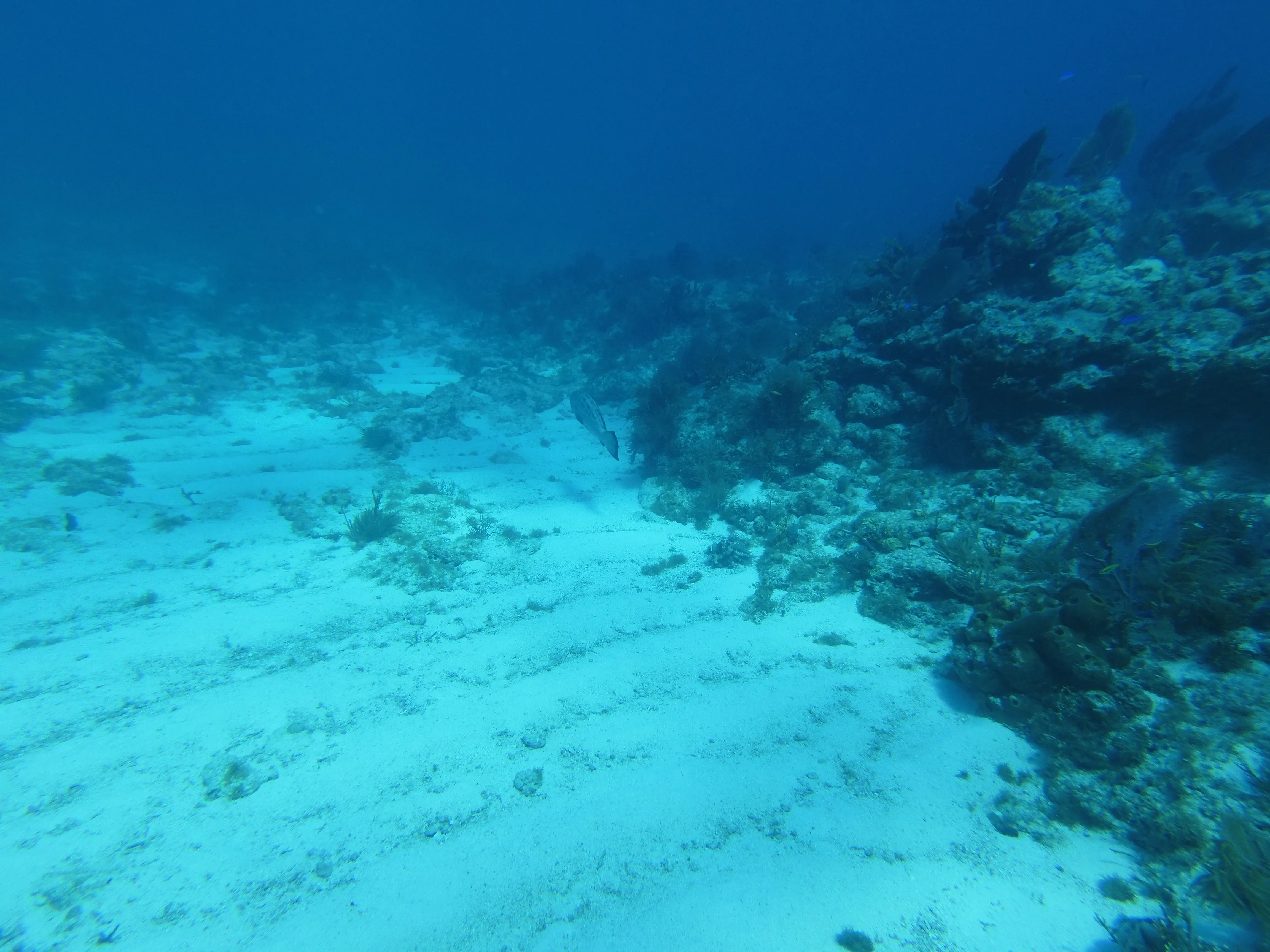
What is John C Pennekamp Coral Reef State Park?
History and Environmental Legacy
The creation of John Pennekamp park marked a monumental shift in marine conservation in North America. During the mid-twentieth century, growing concerns over the destruction of Florida's delicate reef tract caused by commercial harvesting, anchor damage, and uncontrolled coral collecting prompted environmentalists to take decisive action. Named in honour of John D Pennekamp, a prominent Miami newspaper editor who campaigned alongside scientists to establish protected natural zones across South Florida, the preserve was established to safeguard these vulnerable aquatic environments for future generations.
Today, Pennekamp park serves as a cornerstone of environmental protection within the broader Florida Keys National Marine Sanctuary. By enforcing strict protection rules and establishing fixed mooring buoys for vessels, the sanctuary allows complex living coral colonies to thrive undisturbed while offering visitors a chance to observe a healthy oceanic ecosystem.
The Unique Marine Ecosystem
What makes Pennekamp reef so extraordinary is its position along the third-largest living coral barrier reef system in the world, and the only one located within continental North America. The protected marine zone encompasses a diverse network of habitats, each supporting a distinct community of aquatic wildlife.
The sanctuary features three primary ecological zones:
- Coastal mangrove estuaries that act as vital nursery areas for juvenile fish, crustaceans, and wading birds.
- Shallow seagrass meadows that provide rich feeding grounds for green sea turtles and manatees.
- Outer coral reef ledges where hard corals, soft sea fans, and hundreds of tropical fish species create a bustling underwater city.
This biodiversity ensures that every excursion into the park offers an engaging look into coastal ecology and marine life preservation.
Navigating the Park: Map, Layout, and Facilities
Visitor Centre, Aquarium, and Amenities
Entering the preserve off Overseas Highway at Mile Marker 102.5 brings you directly into the main land-based compound. The layout of the park map is arranged around a central hub designed for easy access to land facilities, rental stations, and boat departure docks.
A great starting point for any trip is the Visitor Centre and Aquarium. Inside, a impressive 30,000-litre saltwater aquarium showcases local reef inhabitants, offering a close look at the species you may encounter out on the water. Hands-on natural history exhibits, educational displays, and historical artifacts provide valuable background details regarding the surrounding ecosystems.
Located right near the main visitor complex, you will find practical amenities including:
- Equipment rental stations for water sports gear and boat trips.
- Concession stands serving hot food, cold drinks, and light snacks.
- Shaded picnic pavilions equipped with charcoal barbecue grills.
- Restroom facilities, outdoor freshwater rinse showers, and changing areas.
- Paved parking areas and non-motorized boat launching ramps.
Key Land and Water Access Points
Familiarising yourself with the park map helps ensure a smooth, stress-free day. The land-based portion of the park features two primary beaches:
- Cannon Beach: Named after the seventeenth-century Spanish cannons resting in the shallow water, this spot is ideal for relaxing on the shore and shallow water swimming. The remains of an early wooden shipwreck rest a short distance from the sand, giving beginners a chance to view historical artifacts right off the beach.
- Far Beach: Tucked away in a quiet corner of the park and shaded by native palm trees and mangroves, Far Beach offers calm, shallow waters protected from ocean swells. It is a peaceful area favoured by families with young children seeking a tranquil swimming environment.
For visitors launching kayaks or boarding excursion vessels, clearly marked water channels guide boats through the mangrove waterways out toward the open sea. Physical park maps are available at the main entrance station and dive shop, highlighting designated swimming zones, boat channels, and protected marine boundaries.
Top Things to Do at Pennekamp Park
Surface Floating and Water Exploration
For many visitors, the main highlights of a trip to Key Largo lie offshore. The shallow ocean waters located three to six miles off the coast offer fantastic conditions for surface swimming and water exploration.
Participating in Pennekamp snorkeling tours carries guests out to shallow patch reefs such as Grecian Rocks, White Bank Dry Rocks, and Horseshoe Reef. With water depths averaging between 1.5 and 4.5 metres, these locations benefit from abundant natural sunlight that illuminates colourful sea fans, brain corals, and schooling fish. Trying a Pennekamp snorkel outing allows non-divers of almost any age to observe yellowtail snapper, angelfish, and gentle sea turtles moving gracefully across the sea floor.
Submerged Diving Adventures
For certified ocean explorers, embarking on Pennekamp scuba trips opens up deeper reef structures, limestone ledges, and historical features. The clear waters and mild currents make Pennekamp scuba diving accessible for varying skill levels, allowing divers to explore intricate spur-and-groove coral formations up close.
Among the most famous underwater sites within the park boundary is the Christ of the Abyss statue at Key Largo Dry Rocks. Resting in roughly 7.5 metres of water, this 2.6-metre bronze sculpture stands with arms extended upward, creating an extraordinary view for divers and floaters alike. If you are a novice looking to experience breathing underwater for the first time, enrolling in a structured Discover Scuba Diving course provides expert pool instruction before taking you out to shallow ocean reefs.
Glass-Bottom Boat Tours and Mangrove Kayaking
If you prefer to stay dry while exploring the park marine treasures, daily glass-bottom boat tours offer a fantastic alternative. High-speed catamarans equipped with large viewing windows built into the hull carry passengers out to Molasses Reef or shallow outer coral gardens. As the vessel glides slowly over the reef, on-board naturalists deliver live commentary detailing coral health, fish behaviour, and marine geology.
Alternatively, renting a kayak or canoe allows you to explore 2.5 miles of marked mangrove water trails at your own pace. Paddling through these quiet, shaded channels provides an up-close look at the coastal estuary system. Red mangrove roots form a intricate underwater labyrinth harbouring juvenile fish and crabs, while snowy egrets, herons, and osprey can be spotted nesting overhead in the green canopy.
Shoreline Recreation, Nature Trails, and Camping
Beyond water activities, the preserve offers plenty of land-based recreation. Short walking paths, such as the Wild Tamarind Trail, wind through native tropical hardwood hammock forests, offering a quiet walk amongst rare indigenous trees and plants.
For travellers looking to extend their stay, the park campground features 47 sites equipped to accommodate both recreational vehicles and traditional tent campers. Each campsite includes full utility hookups, a picnic table, and a barbecue grill. Because of the area's popularity, reserving campsite space well in advance is highly recommended.
Essential Visitor Information and Planning Tips
Seasonal Weather, Water Clarity, and Temperatures
Key Largo enjoys a warm subtropical climate, making the park a welcoming year-round destination. However, seasonal shifts bring variations in sea conditions and water temperatures:
- Spring (March to May): Highly favoured for optimal conditions. Air temperatures are pleasant, rainfall is low, and ocean visibility is consistently clear.
- Summer (June to August): Features the warmest water temperatures around 28 degrees Celsius, ideal for long sessions in the sea. However, high humidity and afternoon tropical rain showers are common.
- Autumn (September to November): Brings smaller crowds and comfortable water temperatures, though tropical weather monitoring remains important through late autumn.
- Winter (December to February): Delivers sunny land conditions with lower humidity. Water temperatures drop to around 21 to 23 degrees Celsius, so wearing a thin neoprene wetsuit is recommended for water activities.
Equipment Preparation and Health Safety
To ensure your day on the water is comfortable and safe, keeping a few practical preparation steps in mind makes a significant difference:
- Apply Reef-Safe Sunscreen: Standard sunscreens contain chemicals like oxybenzone that can damage living coral tissues. Always choose mineral-based formulas containing zinc oxide or titanium dioxide.
- Check Equipment Fit: A leaking or fogged mask can disrupt your ocean excursion. Test your mask seal against your face before heading out on a boat.
- Practice Careful Movement: Maintain neutral buoyancy and keep fins near the surface to avoid striking delicate corals or kicking up sand from the seabed.
- Stay Hydrated: The tropical sun can deplete your energy quickly, so keep plenty of fresh water on hand throughout the day.
When venturing out onto open water charters, having experienced ocean guides on board ensures high standards of safety, accurate site navigation, and insightful information about local wildlife.
Experience the Best of Key Largo Waters with Local Experts
While exploring the land-based trails and shorelines of the state preserve offers a great taste of coastal nature, heading out into the open ocean on a dedicated charter vessel delivers an unparalleled adventure. Partnering with a professional, boutique dive operator ensures you receive personalized service, spacious boat accommodations, and unhurried time on the water away from crowded tour vessels.
Whether you want to explore shallow coral gardens, undertake advanced certification training, or simply enjoy a relaxing day floating over the reef, working with a dedicated charter company makes all the difference. Visit Sea Dwellers Dive Center to discover daily charter schedules, professional safety standards, and tailored excursion options designed for your ideal Key Largo holiday.
Conclusion
John C Pennekamp Coral Reef State Park stands as a crowning achievement of Florida conservation, offering an extraordinary portal into the underwater world. From the world-famous Christ of the Abyss statue to calm mangrove paddling trails and sun-drenched beaches, this ocean sanctuary holds something memorable for every traveller. By taking time to study the park map, preparing the right gear, and adventuring alongside experienced local charter teams, your visit to this living marine preserve will provide lifelong memories of discovery. Check current charter schedules, choose your preferred excursion times, and Book Now to reserve your spot on an exceptional ocean journey today.
Frequently Asked Questions (FAQs)
1. Do I need a boat to see the living coral reef at John Pennekamp?
Yes, the living coral reef structures are located approximately three to six miles offshore in the Atlantic Ocean. While you can swim and view small fish near shore at Cannon Beach or Far Beach, reaching the main coral heads and underwater statues requires a boat tour, snorkeling charter, or diving vessel.
2. Can beginners participate in ocean snorkeling and diving tours?
Controlled shallow reef sites feature depth profiles ranging from 1.5 to 4.5 metres with minimal current, making them very welcoming for first-time floaters and beginner divers. Professional crew members provide safety briefings and flotation gear to ensure a comfortable experience.
3. Is there an entrance fee to access the state park?
Yes, Florida State Parks charge a nominal entrance fee per vehicle upon passing through the main gate at Mile Marker 102.5. This fee contributes directly to park maintenance, facility upkeep, and habitat preservation efforts.
4. Can I rent kayaks or paddleboards at the park?
Yes, non-motorized watercraft rentals are available on-site at the park concession area. Visitors can rent single or tandem kayaks to explore the 2.5 miles of marked mangrove trails winding through the coastal ecosystem.
5. Are pets permitted inside the state park grounds?
Pets are allowed in designated land areas of the park, including picnic areas and campgrounds, provided they are kept on a leash no longer than two metres. Pets are not permitted on beach areas, inside park buildings, or on tour boats.
%2F%2Fguide_websites%2F57922%2Fimages%2F1778714461261scuba-diving-key-largo11.png&w=1920&q=75)
%2F%2Fguide_websites%2F57922%2Fimages%2F1778717442833snorkeling-trip-key-largo.jpg&w=1920&q=75)
%2F%2Fguide_websites%2F57922%2Fimages%2F1778714920633scuba-diving-key-largo44.png&w=1920&q=75)